


On iPhone, open Photos and long-press the screenshot — tap "Open in Safari" when the QR link surfaces. On Android, open Google Photos and tap the Lens icon, or use Circle to Search by holding the home button on Android 15+. On Windows or Mac, modern image apps decode QRs natively when you right-click the code.
Methods to Scan QR Codes from Screenshots
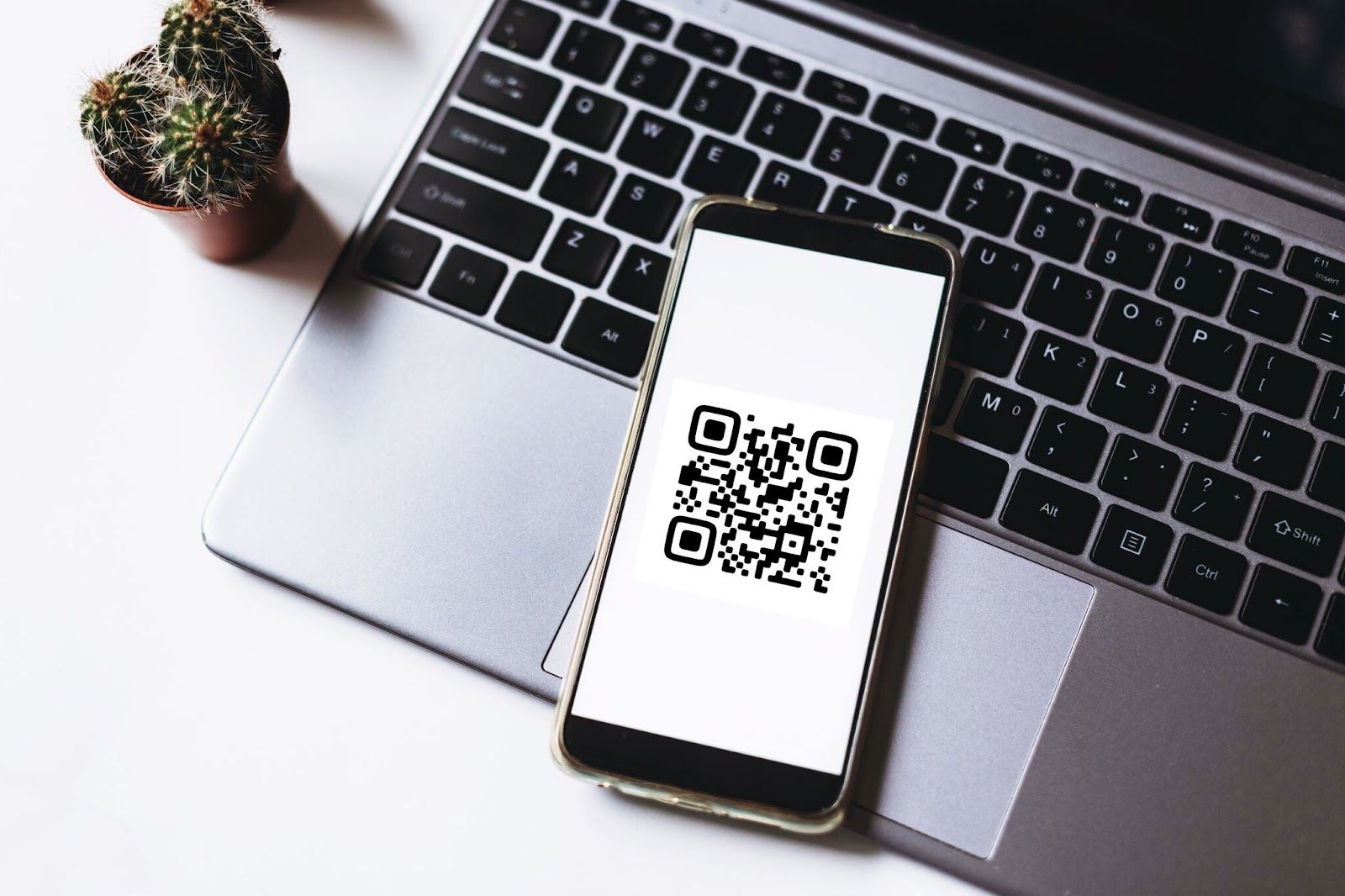
You don't need a camera to scan a QR. Every iPhone since iOS 11, every Android phone with Google Photos, and every Windows 11 or macOS machine on a recent OS decodes a QR straight from a saved image. The trick is knowing which built-in tool to open — and when to skip native for a web or AI alternative.
Scanning QR Codes from iPhone Screenshots
iPhone has three native paths. Most users only know one. Try them in this order:
Method 1 — Photos long-press (fastest): Open Photos, find the screenshot, press and hold directly on the QR. iOS surfaces a context menu with "Open in Safari" or a link preview. One tap, works offline.
Method 2 — Live Text icon: Open the screenshot in Photos. If iOS detects a QR, a Live Text indicator (three lines inside brackets) appears in the bottom-right corner. Tap it and the decoded link surfaces as a yellow underlined chip.
Method 3 — Apple Intelligence Visual Lookup (iOS 26+): Open the screenshot and tap the Apple Intelligence sparkle icon. Visual Lookup decodes the QR alongside other in-image content.
If none work, the QR is probably too small. Pinch-zoom inside Photos, take a fresh screenshot of the zoomed view, and retry. For deeper iPhone setup, see our iPhone guide.
Scanning QR Codes from Android Screenshots
Android has three paths depending on what version you're running.
Method 1 — Google Photos + Lens: Open the screenshot in Google Photos, tap the Lens icon (a camera inside dotted brackets). Lens highlights the QR with a blue dot and shows the destination URL.
Method 2 — Circle to Search (Android 15+): The new fastest method. Open the screenshot, long-press the home button, and the Circle to Search overlay appears — circle the QR with your finger and the decoded link surfaces. Works inside any app, including Messages, WhatsApp, and Gmail.
Method 3 — Samsung Bixby Vision: On Galaxy phones, open the screenshot in Gallery, tap the Bixby Vision icon, and the QR is decoded inline.
If a screenshot arrived in WhatsApp or Messages, save it to Photos first — most scanners can't read codes inside chat thumbnails. Our guide on scanning Snapcodes from camera roll covers the same workflow.
Scanning QR Codes on Tablets
Tablets get skipped in most guides, even though they often display the screenshot:
- iPad (iPadOS 17+): Photos handles QR detection identically to iPhone — long-press the code, follow the link prompt.
- Android tablets: Same Google Lens flow as Android phones. Pixel Tablet on Android 15 also supports Circle to Search.
- Fire tablets: Amazon's Silk browser doesn't decode QRs from saved images. Email the screenshot to yourself, or use one of the online scanners below.
Scanning QR Codes on Desktops and Laptops
Desktops were awkward for years. Not anymore.
Windows 11 Snipping Tool: Snipping Tool now ships with built-in QR detection. Open the screenshot in Photos or paste it into Snipping Tool — a small QR badge appears below the image when one is detected. Click it to copy the URL or open in Edge. Lands by default on Windows 11 23H2 and later.
macOS Preview + Live Text: Open the screenshot in Preview. macOS detects QRs the same way iOS does — hover or right-click the code and "Open URL" appears in the menu.
Chrome's right-click search: Right-click any QR inside Chrome and choose "Search Image with Google." Lens decodes the QR and shows the destination on the side panel. Works on Windows, Mac, ChromeOS, and Linux.
For the full desktop workflow including webcam scanning, see scanning QR codes on computer and our Mac guide.
Using Third-Party Applications for Scanning QR Codes
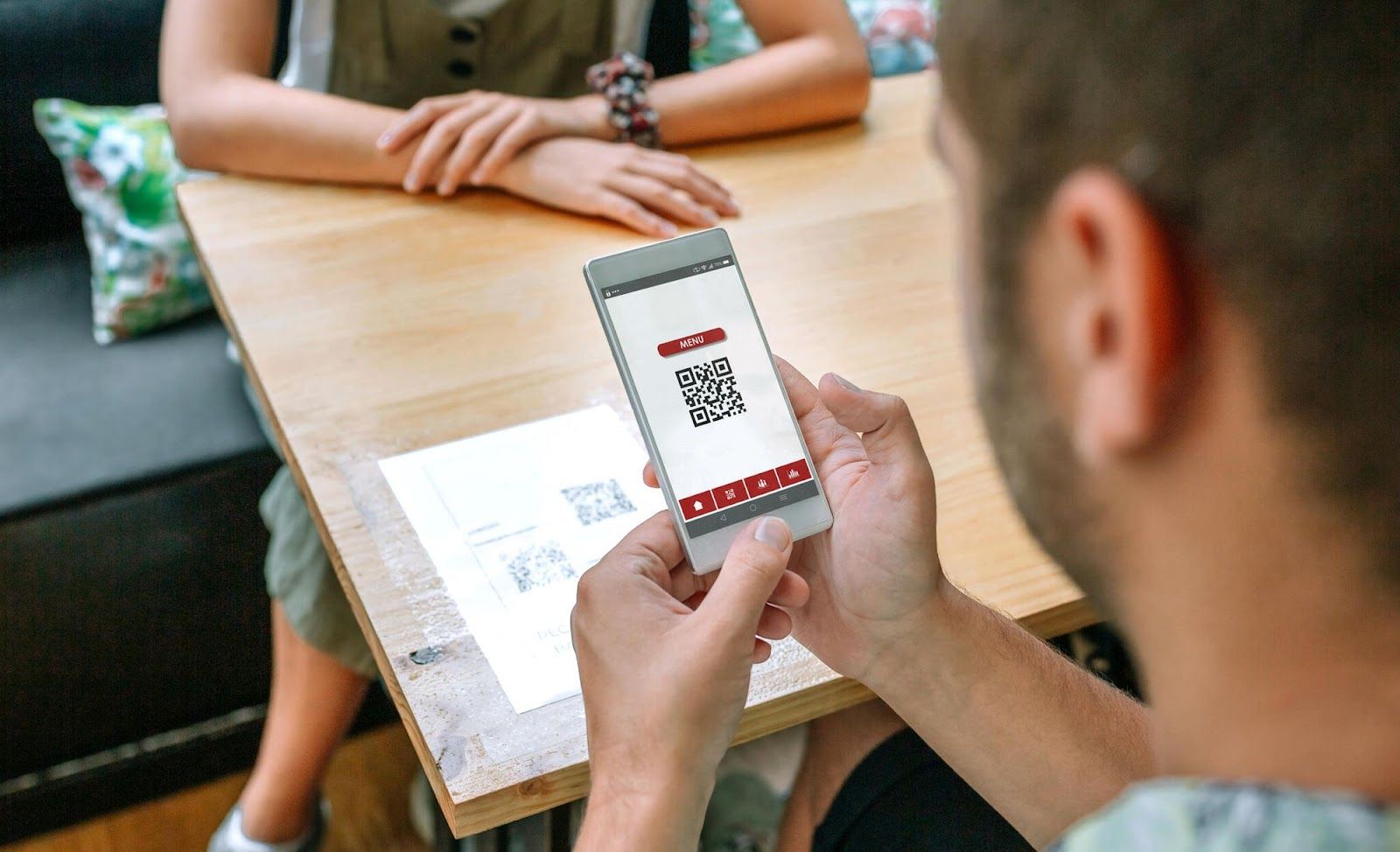
Native tools cover most cases. Dedicated apps earn their place for damaged codes, batch scans, and history.
- QR Code Reader by QR Code Dynamic: Browser-based and free. Drag in a screenshot, get the URL with a one-line preview.
- QR & Barcode Scanner by Gamma Play: Android-only, decodes QR plus standard barcodes with a searchable history — useful for marketers testing dozens of codes.
- QR & Barcode Reader by QR Scan Team: Lightweight Android app with offline decoding. Works on damaged codes where Lens fails.
Online QR Code Scanners: Web-Based and Webcam Tools
Browser-based scanners decode a screenshot in two clicks. Most run on ZXing — the same open-source decoder Lens uses — so accuracy is roughly equivalent.
Image upload flow: Drag the screenshot into the scanner's drop zone. The better tools read the QR client-side and the URL appears below. Fastest path on a desktop with no native QR tools, and the only path on Linux or older Chromebooks.
Webcam flow: If the QR is on another screen, click "Open camera," allow access, and point at the code. The scanner decodes in real time.
When to pick web vs native: Use web scanners on shared work computers where you can't install apps, or when the native tool fails and you want a different decoding library. Native is faster for everyday use, and the data never leaves your device.
Most web scanners also handle non-URL QR types — vCards, Wi-Fi credentials, plain text. Our explainer on how clickable QR codes work covers the format families.
Using AI Assistants as an Ad-Hoc QR Scanner
The freshest method on the list. Multimodal AI models — ChatGPT, Claude, Gemini — read QRs directly from an uploaded image. Paste a screenshot into the chat box, ask "what URL does this QR go to," and the model returns the decoded link.
When this beats every other method: Heavily styled QRs — artistic ones with logos baked in, gradient fills, rounded modules, or non-square shapes — sometimes fail standard decoders because they violate ZXing's pattern expectations. AI vision models read these by inferring code structure rather than matching pixel grids, so they often succeed where Lens and Photos return nothing. Same goes for partial QRs and codes overlaid on busy backgrounds.
Privacy caveats: Your screenshot becomes training data on most consumer AI tiers unless you've opted out. If the QR encodes a session token or private invite link, decode locally instead. For random marketing QRs, AI scanning is fine.
Tips for Successfully Scanning QR Codes from Images
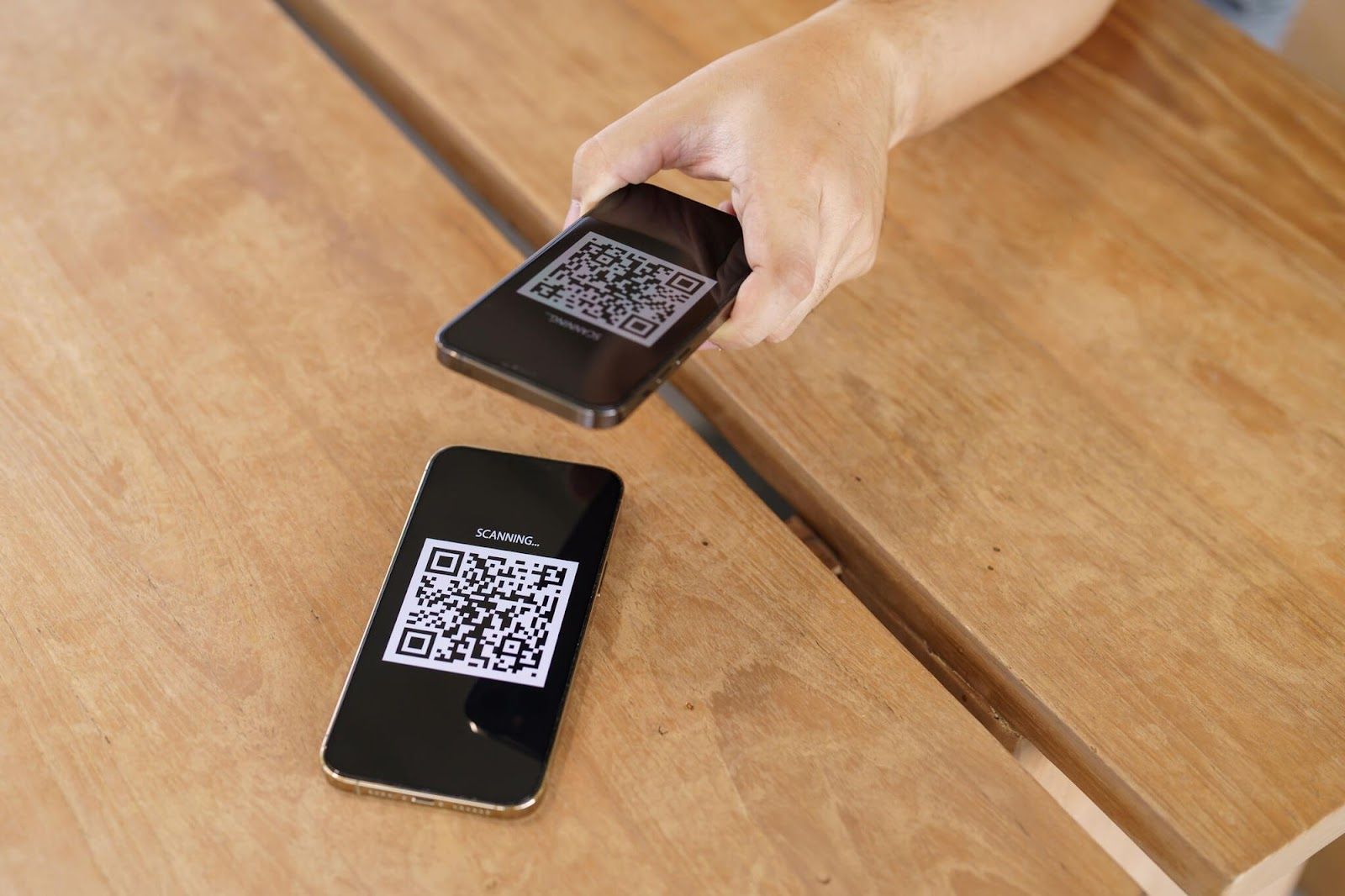
Most failed scans aren't an app problem — they're an image problem. Check five things:
- Resolution: The QR should be at least 200×200 pixels. Below that, error correction can't compensate. Pinch-zoom and re-screenshot if needed.
- Contrast: Black on white is the easy case. Light gray on white, or any code with weak contrast between modules and background, will fail. Boost contrast in Markup before retrying.
- Quiet zone: QR codes need a 4-module-wide white border. If the screenshot crops the code right to its edges, decoders miss it.
- Glare and moiré: Screenshots of QRs on another monitor often have moiré patterns. Tilt the camera angle slightly, or save the image directly.
- Rotation: Modern decoders handle 360-degree rotation, but extreme perspective distortion trips them up. Recapture head-on.
Advanced Techniques for Difficult-to-Read QR Codes
When basics fail, escalate:
- Image editing: Open in Markup, Photoshop, or GIMP. Boost contrast to 100%, drop saturation to zero, and threshold until you have crisp black-and-white modules. Re-export and rescan.
- Module reconstruction: If part of the QR is missing or covered, online ZXing decoders recover data via Reed-Solomon error correction — QR codes stay readable with up to 30% corruption.
- Cross-app retry: If Lens fails, try Apple Photos. If both fail, try a web ZXing scanner. If that fails, hand it to ChatGPT or Claude — different decoders handle edge cases differently.
- Print and scan: Counterintuitive but works — print the screenshot at 300 DPI, then point a phone camera at the printed copy. The print process smooths anti-aliasing artifacts and decodes codes that won't read on-screen.
If a QR refuses to scan across multiple methods, the code may be corrupted or expired. Our guide on why QR codes stop working covers the common root causes.
Quishing Awareness: Why Screenshot-Shared QRs Carry Extra Risk
Quishing — phishing via QR codes — has been the dominant QR attack since 2023, and screenshot-shared QRs are the highest-risk variant.
When someone hands you a screenshot of a QR, you've lost the strongest verification signal: surrounding context. A QR on a restaurant menu has the menu. A bank's official email has the sender domain. A screenshot strips both — you're left with a code and a sender's word that it's safe.
Common screenshot-quishing patterns:
- Fake delivery notices: "Your package couldn't be delivered, scan to reschedule." The URL leads to a credential-harvest page mimicking the real courier.
- Fake parking violations: Screenshot of a "ticket" with QR for payment. The destination captures card details.
- Fake bank verification: "Confirm your identity by scanning this QR." Real banks never push QR-based logins.
- Fake event invites: A screenshotted QR claiming exclusive access — often leads to phishing or malware-laden APKs on Android.
Always inspect the decoded URL before tapping. Every native scanner above shows the URL as a preview — read it. Look for misspelled brand domains (amaz0n.com, paypa1-secure.com) and URL shorteners hiding the destination. If you weren't expecting a QR from this sender, treat it as suspicious.
Security Tips for Safe QR Code Scanning
Beyond quishing, the general hygiene rules:
- Verify the source: Treat unsolicited QRs the same way you treat unsolicited links. Sender unknown? Don't scan.
- Preview the URL: Every modern scanner shows the destination before opening. Read it. Compare it to what you'd expect.
- Pick scanners that show full URLs: Some apps display only "tap to open" — useless for verification. Native iOS and Android scanners show the URL.
- Don't enter credentials on a page reached via QR: If a scanned QR opens a login page, close it and visit the service directly.
Real-World Case Studies
QR-from-screenshot workflows show up most in B2B marketing, where dynamic codes get screenshot-shared in decks, social posts, and email campaigns:
- Starbucks Rewards: The in-app QR is screenshotted by users sharing rewards. Starbucks routes those scans through dynamic redirection so codes remain valid as promotions rotate.
- Nike retail campaigns: 2024 in-store QRs linked to product drops. When customers screenshot-shared them on Instagram, dynamic URLs let Nike separate organic-share traffic from in-store scans.
The lesson: if your QR will be screenshot-shared, build it as a dynamic code so the destination stays editable after the screenshot is in the wild.
Future Trends in QR Code Technology
The 2026 outlook:
- iOS 26 Visual Intelligence: Apple's visual-AI rollout means QR scanning becomes one feature in a unified image-understanding pipeline. Scan a restaurant QR, get the menu plus reviews plus reservations in one card.
- Android 15+ Circle to Search: Google's Circle to Search graduates from "search" to a general image-action interface. Decoding QRs is now table-stakes; updates layer on translation, AR overlays, and product matching.
- Dynamic and trackable codes: Dynamic QRs keep replacing static ones because the destination is editable after print. Real-time analytics, A/B testing, and geofenced redirects are standard at QR Code Dynamic.
- Anti-quishing protocols: Browser-level URL reputation checking is moving into native scanners. iOS 26 and Chrome 130+ flag known phishing destinations before opening.
The Bottom Line on Scanning QR Codes from Screenshots
Scanning a QR from a screenshot is a one-tap operation on every modern device — long-press on iPhone, Lens or Circle to Search on Android, Snipping Tool or Preview on desktop. The skill that matters in 2026 is knowing which method to reach for when the default fails, and verifying the decoded URL before tapping.
If you're building campaigns around QRs that will inevitably get screenshot-shared, build them as dynamic codes from day one. The destination stays editable after the screenshot is already in someone's camera roll — the difference between a campaign you can fix mid-flight and one you can't.
Frequently Asked Questions
Can you scan a QR code through a screenshot?
Yes. Every modern phone, tablet, and desktop OS detects QRs inside saved images. On iPhone, long-press the code in Photos. On Android, open the screenshot in Google Photos and tap the Lens icon, or use Circle to Search on Android 15+. On Windows 11 and macOS, the built-in image viewers decode QRs natively.
How do I scan a QR code from a picture on my iPhone?
Open Photos, find the picture, then press and hold directly on the QR code. iOS detects the code and surfaces a context menu with the destination URL — tap "Open in Safari" to follow the link. If long-press doesn't trigger detection, tap the Live Text icon in the bottom-right corner instead. iOS 26+ adds a third path via Apple Intelligence Visual Lookup.
What app scans QR codes from screenshots on Android?
Google Photos with Lens is built into every Android device with Google services — no install needed. Open the screenshot, tap Lens, and the QR is highlighted with a tap-to-open link. On Android 15+, Circle to Search (long-press the home button) is even faster. For damaged or stylized codes, Gamma Play's QR & Barcode Scanner is the most permissive third-party option.
Can you scan a QR code from a website image?
Yes. On smartphones, save the image to your gallery first, then use the device's native scanner. On desktop, right-click the QR and pick Chrome's "Search Image with Google" for the fastest decode, or upload it to a web scanner. Modern image viewers detect QRs the moment you open the saved file.