How to Create Effective QR Codes for Real Estate in 2026


On this page
- Why QR Codes Matter for Real Estate in 2026
- Benefits of QR Codes in Real Estate Marketing
- 1. Faster engagement, less friction
- 2. Real data you can act on
- 3. Higher conversion on every printed asset
- 4. Cheap to make, cheap to update
- 9 Ways to Use QR Codes in Real Estate Marketing in 2026
- 1. Yard signs that load a listing in two seconds
- 2. Open-house sign-in and lead capture
- 3. Image galleries and drone footage
- 4. Virtual tours and 3D walkthroughs
- 5. Agent business cards and digital identity
- 6. Property listing PDFs and brochures
- 7. Social media follow and lead magnets
- 8. Contact capture without typing
- 9. Neighborhood and location promotions
- Dynamic QR Codes for Real Estate: Why They Matter
- How to Create QR Codes for Real Estate
- Step 1: Pick a dynamic QR code generator
- Step 2: Choose the QR code type
- Step 3: Customize the design
- Step 4: Size the code for its medium
- Step 5: Test before you print
- Step 6: Download and deploy
- Step 7: Track scans and iterate
- Real Estate Agencies Using QR Codes Effectively
- 1. Sotheby's International Realty
- 2. Engel & Völkers
- 3. Zillow
- 4. RE/MAX
- 5. Century 21
- 6. Better Homes and Gardens Real Estate
- 7. Keller Williams Realty
- 8. Coldwell Banker
- 9. Halstead
- 10. Corcoran Group
- Things to Consider with Real Estate QR Codes
- Future of Real Estate with QR Code Technology
- Make QR Codes Part of Your Real Estate Marketing Stack
- FAQs
- How to get a QR code for real estate?
- Why use QR codes in real estate marketing?
- What are best practices for QR codes in property listings?
- How do QR codes improve real estate lead generation?
- Can QR codes track real estate ad performance?
QR codes for real estate turn yard signs, flyers, and business cards into mobile gateways. Print a dynamic QR code on the listing, point it at a property page, virtual tour, or lead form, and track every scan in a dashboard. Buyers get instant info, you capture leads, and you swap destinations without reprinting.
Why QR Codes Matter for Real Estate in 2026
Real estate marketing turned mobile-first while a lot of agents were still printing static flyers. The buyers who scan your sign at 9pm on a Tuesday are deciding in those 90 seconds whether to call you tomorrow or move on. A QR code is the cheapest way to win that 90 seconds.
Per Make Branded's read of the NAR 2025 Technology Survey, 67% of buyers under 45 expect full property details on their phone before they'll even talk to an agent. Mobile-first isn't a preference anymore. It's the gate.
The numbers behind QR adoption also stopped being cute. QR Trac projects 102.6 million U.S. smartphone users will scan a QR code in 2026, up from 89 million in 2023. The same report shows 72% of consumers scanned a code in the past month. Scanning is daily behavior now.
On the performance side, Super Code reports QR-initiated customer journeys hit an average 37% click-through rate, more than ten times the typical 2-5% CTR on digital display ads. That's the gap between a yard sign that does nothing and a yard sign that produces three buyer inquiries a week.
The market sizing tells the same story from a different angle. Wave Connect values the global QR code market at $13.04 billion in 2025 and projects $33.14 billion by 2030, growing at 20.5% CAGR. Dynamic QR codes already hold 65% of that market, and adoption skews to the 18-46 demographic, which is exactly the age band of today's active buyers and renters.
And the buyer pool itself has shifted. Taylor Scher SEO, citing NAR data from November 2025, notes that first-time home buyers dropped to a record low of 21%, with the median buyer age rising to 40. Older buyers, longer research cycles, more comparison shopping — all of which makes the offline-to-digital handoff that QR codes provide more valuable, not less.
If you're working in real estate marketing in 2026 without QR codes, you're handing scanning, sign-ups, and QR code lead generation to whichever agent across the street remembered to print one.
One more data point worth keeping in mind: Wave Connect also reports that 90%+ of marketers now use QR codes in their campaigns, with QR-based payments expected to hit $3 trillion in annual spending. The infrastructure for "scan-to-do-anything" is fully built out. Real estate is one of the slower verticals to catch up — which means the agents who move first still get an attention advantage.
Benefits of QR Codes in Real Estate Marketing
The short version: QR codes shrink the distance between a passerby and a property page from minutes to seconds. The long version has four parts. I've watched agents pick up two to four extra inquiries per open house just by adding a QR code to the sign-in sheet — none of these benefits are theoretical.

1. Faster engagement, less friction
You have one chance to convert a buyer standing in front of a yard sign. Typing a URL, even a short one, drops conversion. A QR code skips that step. Phone up, scan, listing open. Done.
For you the agent, the same code condenses an entire property packet — photos, floor plans, video tour, school district info, agent contact — into one scannable square. No more printing 60-page brochures that get tossed at the curb.
2. Real data you can act on
Every scan leaves a trail. With a dynamic QR code platform, you can see how many people scanned, what city they scanned from, what time of day, and whether they clicked through to the contact form. Static print never gave you that.
After three weeks of scans on a listing, you'll already know which day of the week brings the most interest, whether the sign or the brochure performs better, and which neighborhoods your buyers are coming from. That's enough data to redirect your weekend ad spend.
3. Higher conversion on every printed asset
The 37% CTR figure from Super Code isn't a marketing tagline — it's the gap between print that asks for action and print that just sits there. Pair a QR code with a clear single call-to-action ("Book a private viewing") and you've shortened the buyer journey from "see sign" to "calendar invite" to roughly two taps.
This applies to every printed surface: yard signs, postcards, magazine ads, newspaper inserts, business cards, listing brochures, neighborhood flyers, even branded coffee sleeves at the open house.
4. Cheap to make, cheap to update
A static QR code costs nothing. A dynamic QR code costs the price of a small SaaS subscription. Either way, you're under $30/month for unlimited codes on a managed platform like QR Code Dynamic. Compare that to reprinting yard signs every time a property sells or a price drops.
And because dynamic codes let you swap destinations without reprinting, the printed asset has an indefinite shelf life. The sign in your office window from January can point at March's new listing without anyone reprinting anything.
9 Ways to Use QR Codes in Real Estate Marketing in 2026
The use cases below aren't theoretical — they're the ones I see working in 2026. Mix and match based on what you already print.
1. Yard signs that load a listing in two seconds
The single highest-ROI placement. Print a dynamic QR code on every "For Sale" sign that links to the full listing page — gallery, video tour, agent contact, financing calculator. Buyers driving by at 6pm don't have to remember a URL or come back during business hours.
Add a short call-to-action under the code: "Scan for video tour" or "Scan for floor plans." Specific beats clever every time.
2. Open-house sign-in and lead capture
Paper sign-in sheets get ignored or filled out with fake names. Replace them with a QR code on a small sign at the door that loads a one-screen form: name, email, phone, "are you working with an agent?" Pre-fill the property address. I've watched agents go from 6 names per open house to 14 after switching to a QR sign-in.
Pair it with a Calendly QR code on the back of the same sign so serious buyers can book a private second visit before they leave the kitchen.
3. Image galleries and drone footage
A printed flyer fits maybe four photos. A QR code on the same flyer can link to 40 photos plus drone footage of the lot and the neighborhood. This is how you sell properties with views, acreage, or anything where exterior context matters.
4. Virtual tours and 3D walkthroughs
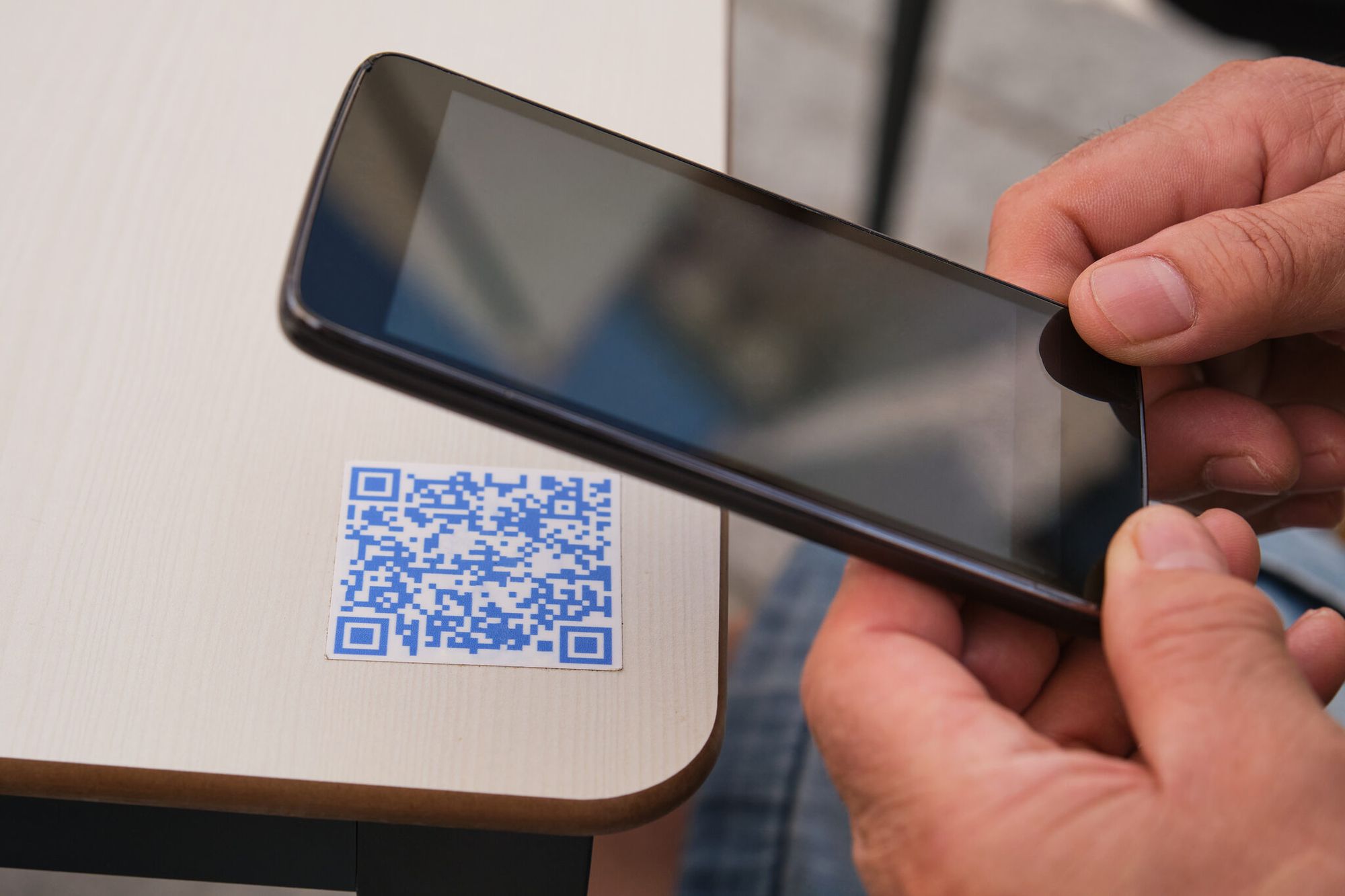
Matterport, Zillow 3D Home, Kuula — pick your platform. Link the QR code straight to the tour. Buyers expect to walk through the home on their phone before they get in their car. Trackable QR codes tell you which listing's virtual tour gets the most views so you know where to invest in better media.
5. Agent business cards and digital identity
The old paper business card gets thrown out within a week. A QR code on the back pointing at a digital profile — bio, social links, recent sold properties, contact-save vCard — sticks. See our guide on the digital business card for realtors for the tools we recommend, and our roundup of real estate business card templates for layout ideas.
6. Property listing PDFs and brochures
Every printed brochure should carry a QR code that opens the full listing page so prospects can share it with co-buyers or spouses who weren't on the visit. Bonus: the dynamic code can be updated to the "sold" page or a similar listing once the property closes.
7. Social media follow and lead magnets
Link a QR code to your Instagram, your YouTube channel of property tours, or a "buyer guide for first-timers" PDF download. Put it on the corner of every printed asset and on the bottom of email signatures.
8. Contact capture without typing
vCard QR codes save your contact info straight to a buyer's phone — no manual entry, no typos, no lost numbers. Stick one on the back of your business card and you'll never lose a contact to a misspelled email again.
9. Neighborhood and location promotions
Geolocation-aware landing pages plus a QR code on a coffee-shop ad or community noticeboard can serve up listings within a 2-mile radius of where the scan happened. Real estate announcement ideas for new listings, open houses, and price drops all benefit from this kind of hyper-local targeting.
A practical setup: print 50 small flyers with a single dynamic QR code, drop them at the front desks of every business within a 1-mile radius of your active listings, and rotate the code's destination weekly based on which property needs the most attention. The flyers don't need reprinting. The code does the work.
Dynamic QR Codes for Real Estate: Why They Matter
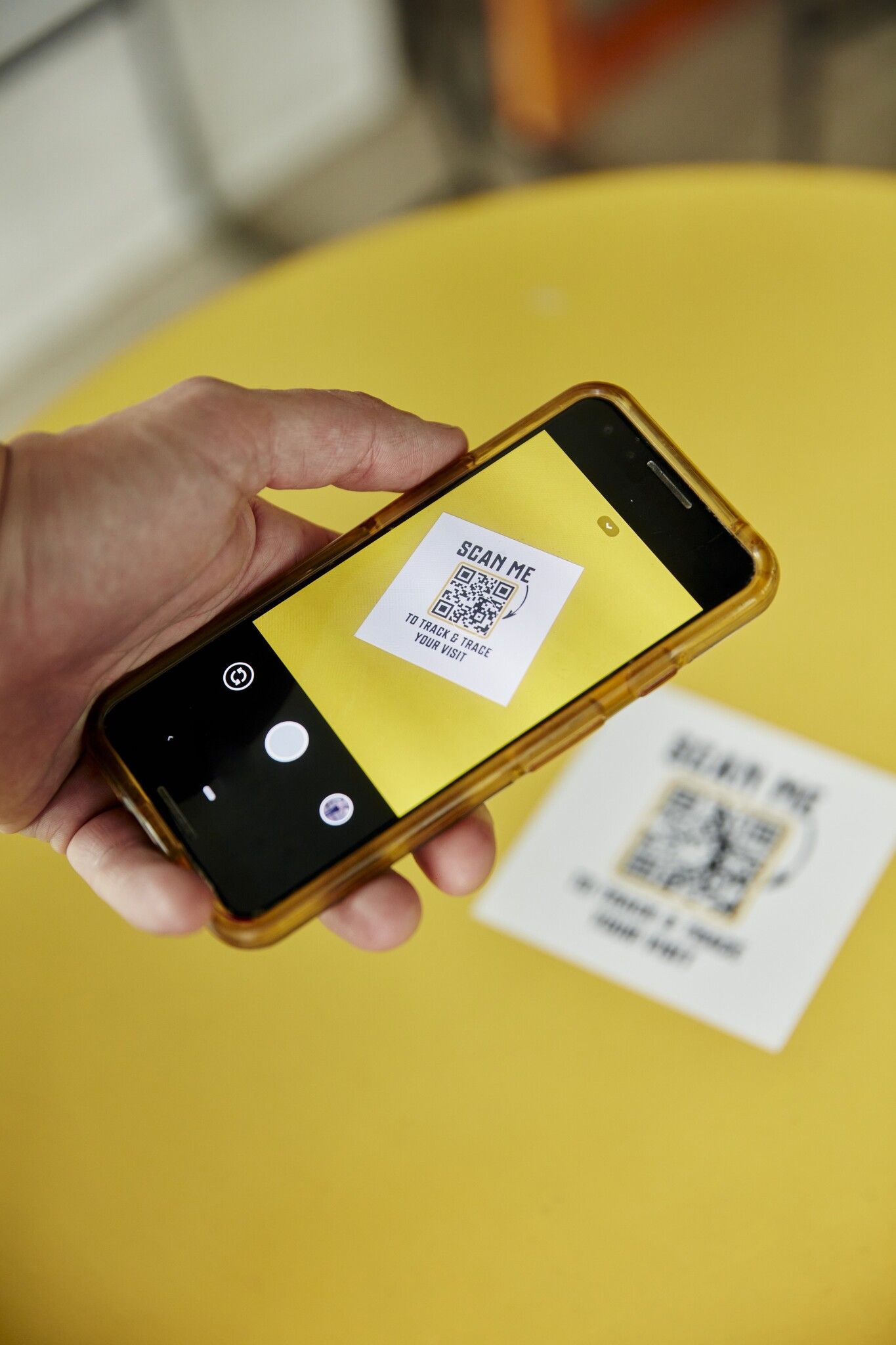
Static QR codes are fine for one-off promotions. For real estate, where listings sell, prices change, and open houses move, you want dynamic codes. They look identical to static codes but let you swap the destination URL anytime without reprinting.
Four scenarios where dynamic wins:
• Listing status changes. The minute a property goes under contract, redirect the QR code from the listing page to a "Sold — see similar properties" page. The yard sign keeps working until you pull it.
• Multilingual buyers. Point one code at a router page that detects device language and serves English, Spanish, Mandarin, or Portuguese versions of the listing.
• Sales vs rental dual-use properties. Same code, different landing page depending on the active campaign.
• Open-house scheduling. Update the destination weekly to point at the next open-house RSVP form.
Static codes can't do any of this. Once printed, the URL is locked in.
How to Create QR Codes for Real Estate

The end-to-end process takes about 15 minutes for your first code, two minutes for the next one. Here's the workflow I use.
Step 1: Pick a dynamic QR code generator
Skip the free static-only tools. You want a platform that supports dynamic codes, scan analytics, and bulk creation. QR Code Dynamic is the one I use because it covers all three and lets you swap destinations without changing the printed asset.
What to check before you commit: dynamic codes included on the entry tier, scan analytics with city-level granularity, vCard and PDF support, and the ability to add a logo to the center of the code without breaking scannability.
Step 2: Choose the QR code type
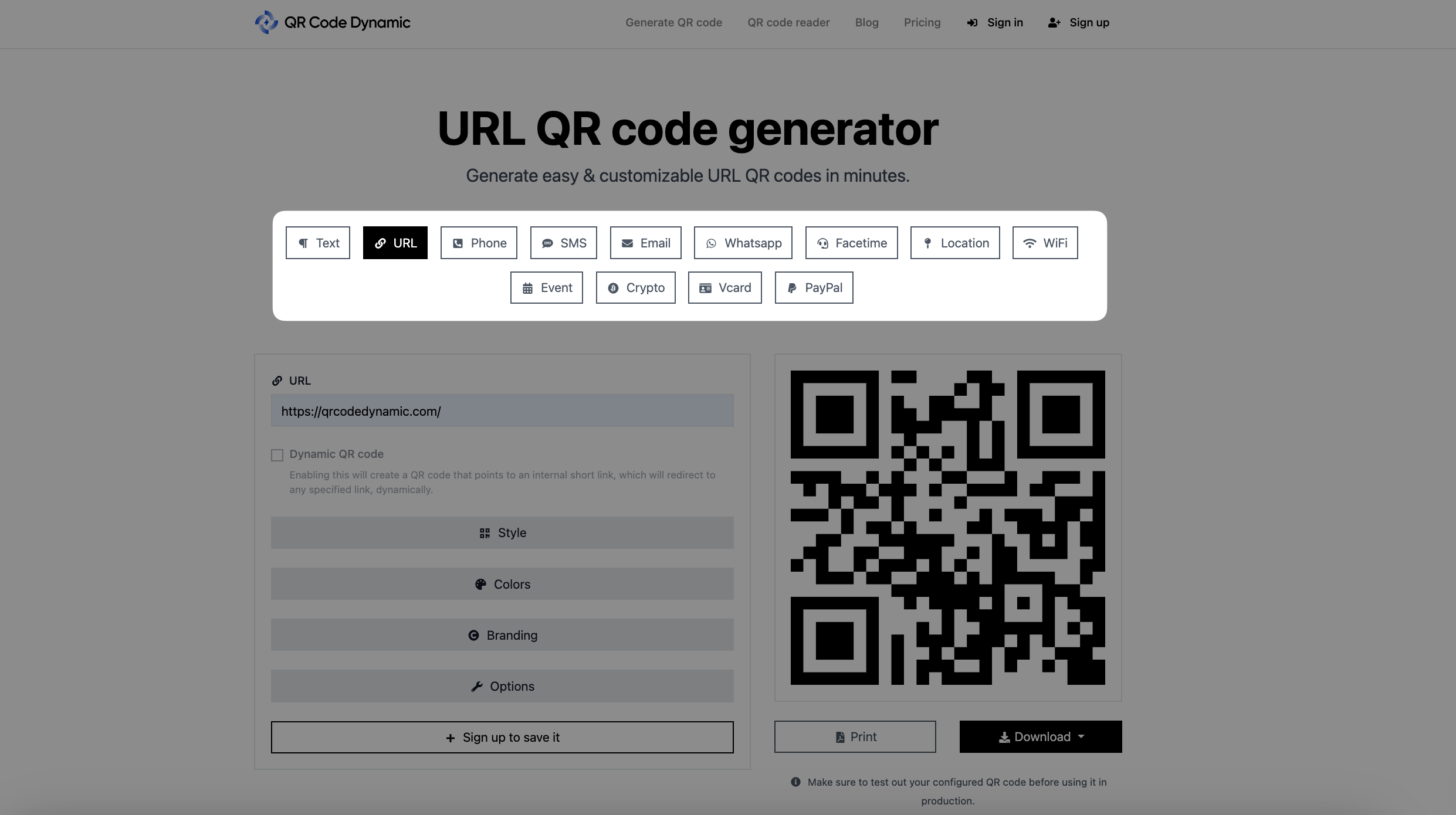
Match the type to the goal. Common picks for real estate:
• URL — for listing pages, virtual tours, contact forms.
• vCard — for agent business cards.
• PDF — for property brochures or buyer guides.
• Video — for walkthrough recordings.
• Location — for the property's exact map pin.
Pick URL if you're not sure. It's the most flexible because you can change what the URL points to later.
Step 3: Customize the design
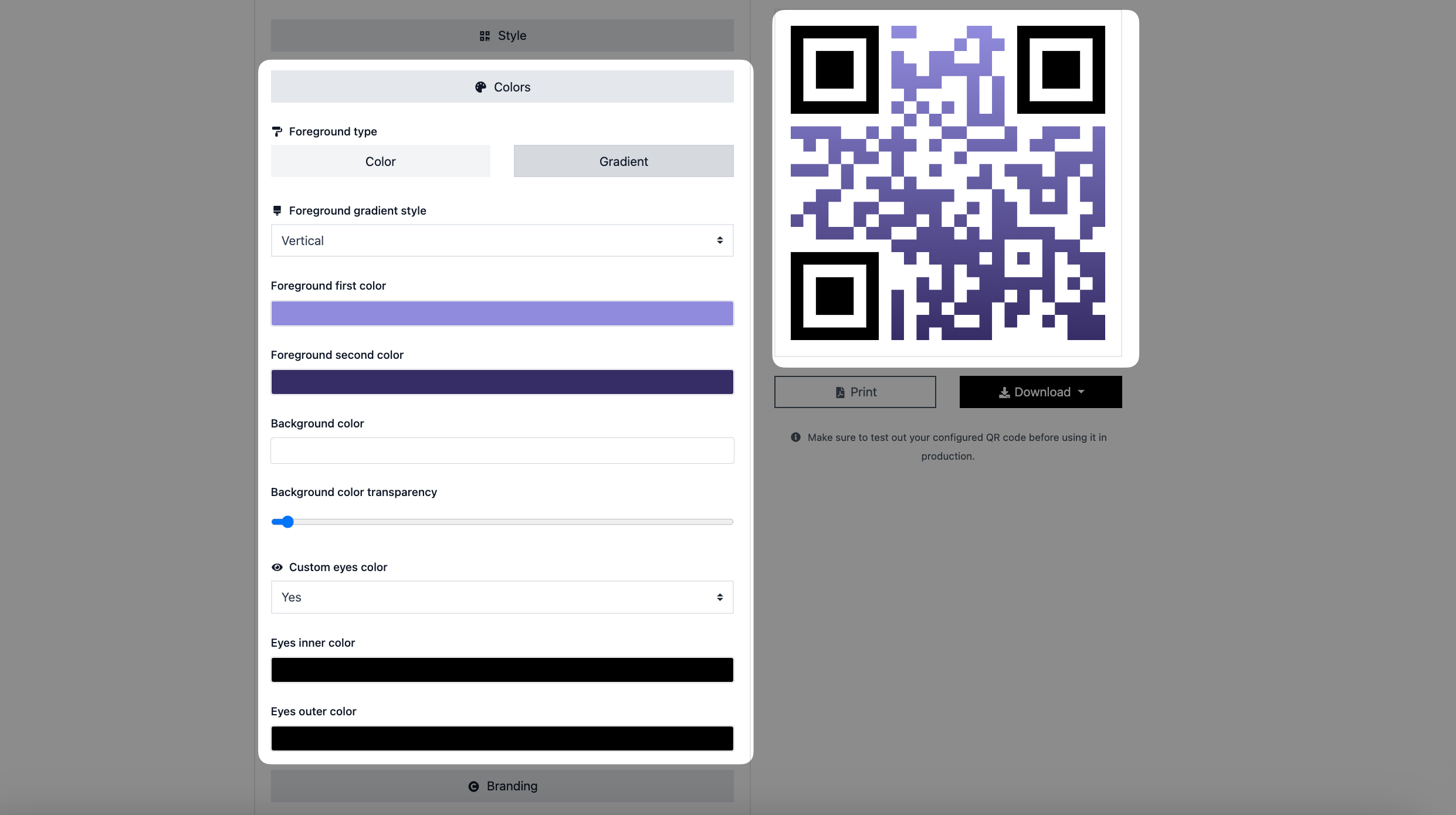
Default black-and-white codes work, but a branded code gets scanned more often because it looks intentional. Match the foreground color to your brokerage palette. Add the brokerage logo in the center — most platforms automatically adjust error correction so the logo doesn't break the scan.
Keep contrast high. Light foreground on light background is the most common mistake I see — the camera can't read it and you've just lost every scan.
Step 4: Size the code for its medium
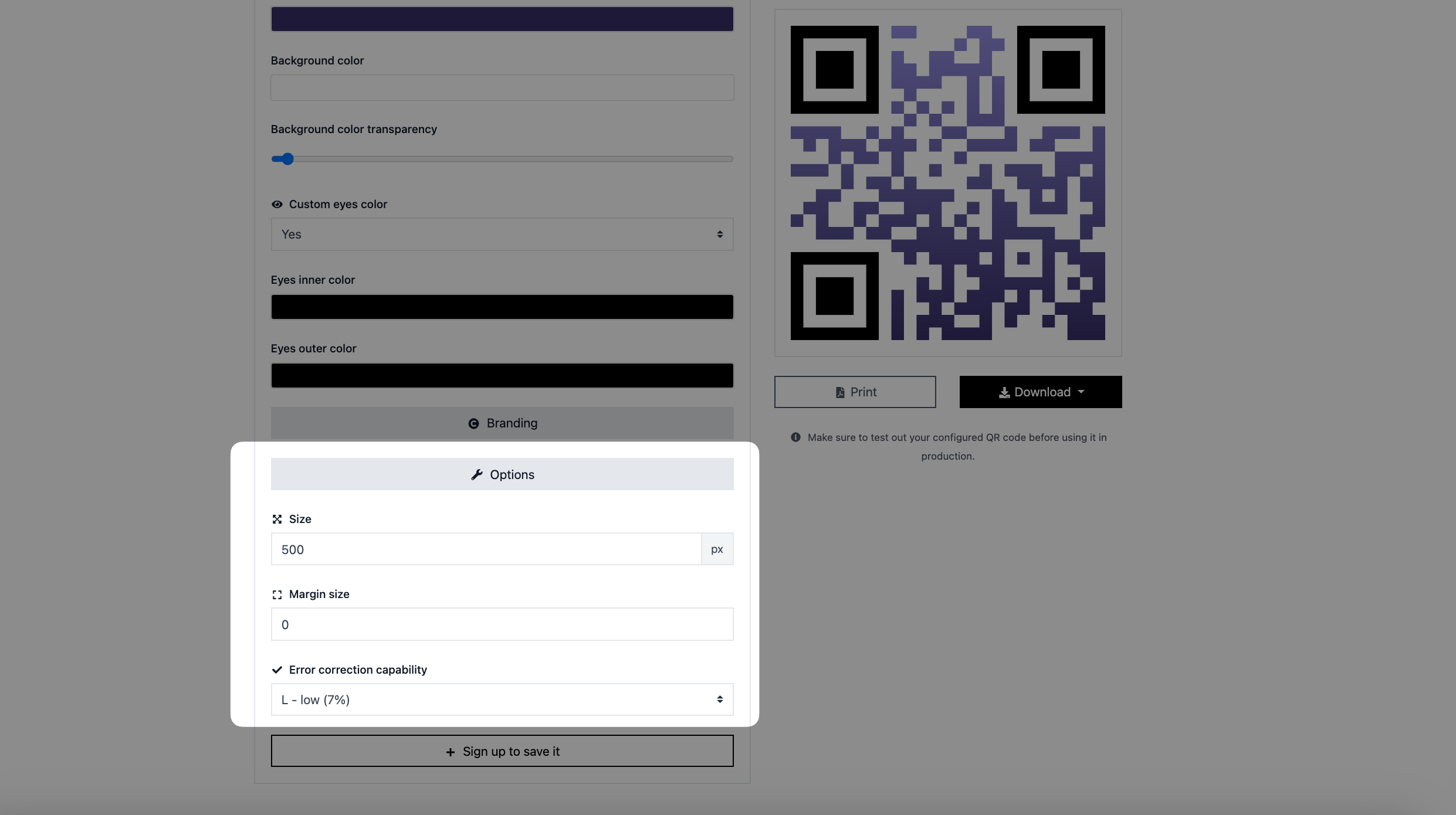
Rule of thumb for scan distance: the code should be roughly 1/10 the distance you expect the scan from. Business card: 0.8 inches. Brochure: 1 inch. Yard sign at 6 feet: minimum 5 inches square. Billboard: bigger than you think — 18 inches at minimum.
When in doubt, size up. A code that's too small to scan is the same as no code at all.
Step 5: Test before you print
Three tests, every time:
• Scan from your phone at the intended distance.
• Scan in low light (open houses are often dim).
• Scan with a different phone OS (iOS and Android cameras behave differently with damaged or low-contrast codes).
If any scan fails, fix the code before you send it to print. Printers don't proof QR codes — they print exactly what you give them.
Step 6: Download and deploy
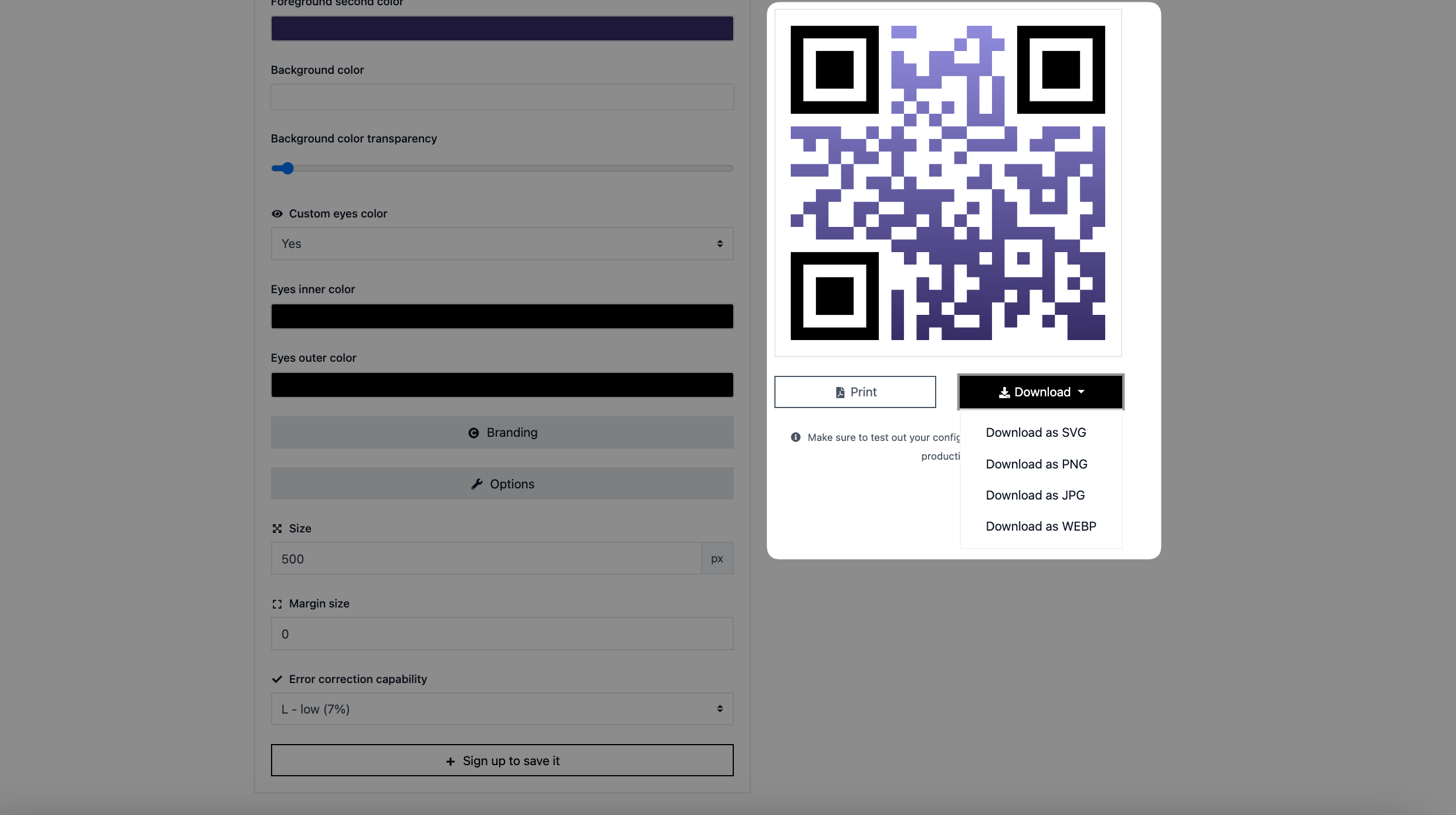
Download SVG for anything that's going to print — it scales without pixelation. PNG works for digital use. EPS if your printer specifically asks for it. Send the SVG to your sign printer, business-card vendor, or brochure designer.
For at-home printing, use 600 DPI minimum. Below that, the modules can blur into each other and break scans.
Step 7: Track scans and iterate
Check your dashboard weekly during the first month. Useful signals:
• Total scans per code — which listings are getting attention?
• City-level scan origin — where are buyers coming from?
• Time-of-day distribution — when should you be available to answer calls?
• Click-through to conversion — are scans turning into form fills?
If a code has 200+ scans and zero form fills, the landing page is the problem, not the code. Fix the page, redirect the dynamic code, keep going.
Pro tip from three years of running these for SaaS clients: the highest-converting setup I've seen for real estate is a yard-sign QR code that lands on a single-screen page with three things only — one hero photo, a "Book a private tour" button, and a "Text the agent" button that opens the buyer's SMS app pre-filled with the property address. No nav menu, no extra copy. Strip the funnel down and conversion roughly doubles compared to dumping people on a full MLS listing page.
Real Estate Agencies Using QR Codes Effectively
The ideas above are easier to picture when you've seen them on a real sign. Ten brokerages already running QR-first marketing in 2026:
1. Sotheby's International Realty
Sotheby's prints QR codes across its high-end print campaigns and property catalogs, linking to immersive listing pages with video tours and agent contacts. For luxury properties where the brochure itself is part of the buyer experience, the code closes the gap between aspirational print and live availability.
2. Engel & Völkers
Engel & Völkers puts QR codes on outdoor signage, window displays, and print brochures. Each code routes to a localized property page with multimedia content tailored to the scanning user's region — useful when half the buyer pool is international.
3. Zillow
Zillow embeds QR codes in print partnerships and offline campaigns, sending users directly to the mobile app listing for the property in question. The handoff from a magazine ad to in-app saved-listings is roughly two taps.
4. RE/MAX
RE/MAX's sign riders, flyers, and brochures all carry QR codes that open the listing page or virtual tour. Individual agents can generate their own codes within the brokerage's brand template, so the local agent's name is on the landing page they scan into.
5. Century 21
Century 21 issues a unique QR code per property. Each scan routes to a single-property page with full media, financing tools, and a "request a tour" form. The brokerage tracks scans by property to identify which listings are getting attention without a single inbound call.
6. Better Homes and Gardens Real Estate
Better Homes and Gardens uses dynamic QR codes that link directly to video walkthroughs and highlight reels. Once the property closes, the same code redirects to similar active listings — the printed assets keep producing leads after the sale.
7. Keller Williams Realty
Keller Williams agents print QR codes on business cards and listing flyers. The scan opens the agent's profile page with recent sold listings, testimonials, and a "schedule a call" button. It's a working version of the digital business card pattern.
8. Coldwell Banker
Coldwell Banker routes QR scans straight into its mobile listing experience: property details, photos, agent contact, and a "schedule a viewing" CTA in a single screen. The whole funnel from print to scheduled tour is one scroll.
9. Halstead
Halstead built QR-driven print campaigns into postcards, window displays, and direct mail. Passers-by can scan a window display at 11pm and pull up the full property listing without waiting for the office to open. That's the entire point of after-hours print marketing.
10. Corcoran Group
Corcoran prints QR codes that open short video snippets of each property — the "feel" of the home before a buyer commits to an in-person visit. For NYC properties where in-person showings are scheduling-heavy, the pre-visit video filters out bad-fit visits.
What ties all ten of these together: none of them rely on the buyer remembering a URL, none of them depend on the buyer being at a desk, and all of them produce scan data their old print campaigns never had. The brokerages that started 18 months ago are now running campaign-level A/B tests on print collateral — which is a sentence I never thought I'd type about yard signs.
Things to Consider with Real Estate QR Codes

Five things that go wrong if you're not paying attention:
Keep destinations current. A dynamic QR code is only useful if you actually update the destination when the listing status changes. Build a 30-second checklist into your "property closed" workflow: pull the sign or redirect the code. Don't leave dead links live for weeks.
Use analytics or don't bother. The whole point of dynamic codes is scan data. Open the dashboard weekly. If you're not checking, you're paying for a feature you're not using. Even a 10-minute weekly review will catch dead codes and surface your best-performing listings.
Cost should be predictable. Don't lock into a per-scan pricing model — for real estate volumes, flat-rate platforms are almost always cheaper. Budget around $15-40/month for a small office, $80-200/month for a brokerage running campaigns at scale.
Centralize codes under one account. Don't let individual agents create their own codes from random free tools. One central account, one dashboard, one set of analytics. When an agent leaves, the codes don't go with them.
Mind the print quality. Cheap newsprint and low-DPI inkjet can both make a QR code unscannable. For high-volume runs, ask the printer to test-scan a sample before you greenlight the order.
Add a quiet zone around the code. QR codes need a margin of empty space — usually four modules wide — around all four sides. Sign printers love to crop right up to the edge to save space; a cropped quiet zone breaks scans more often than people realize. If you're sending the file to a printer, include a thin border of white margin in the SVG itself so it survives any trimming.
Don't trust shortened URLs blindly. Some buyers will hover-preview a scanned URL before tapping. If the destination URL is a random-looking shortener, scan-then-bounce rates jump. Use a branded redirect domain or your own subdomain so the URL looks legitimate when it pops up in the phone camera preview.
Future of Real Estate with QR Code Technology

Looking past 2026, three shifts are already visible in how forward-leaning brokerages use QR codes.
AR property tours triggered by QR scans. Scan a code on a yard sign, hold up your phone, and an AR overlay shows the inside of the property mapped onto the exterior view. Early implementations are running on the Apple Vision Pro and Meta Quest 3, but mobile WebAR is already serving simpler versions of the same experience.
AI-driven scan analytics. First-generation analytics show you scan counts and locations. Second-generation tools layer in intent classification: which scans came from serious buyers, which from neighbors, which from competitors checking your sign. QR code advertising measurement is getting closer to digital-ad-quality attribution.
Contactless open houses. The pandemic-era contactless trend stuck. More open houses now run on QR-driven sign-ins, QR-served floor plans on personal devices, and QR-triggered Calendly bookings for second visits. The host agent talks to qualified buyers; the rest browse on their phones.
None of this is speculative. Brokerages running 2026 campaigns are already doing the first two and piloting the third.
The bigger story underneath all of this is what QR Trac calls one of the fastest adoption curves in consumer tech history — 57% scan-growth between 2020 and 2024. Most marketing channels reach saturation and lose their performance edge after a few years. QR codes are doing the opposite: the install base is still growing, scan behavior is still becoming more normalized, and the analytics tooling is still getting better. For real estate, that means the next 24 months are still early-mover territory in most local markets.
Make QR Codes Part of Your Real Estate Marketing Stack
If you're going to add one new marketing channel this quarter, make it QR codes. The cost is low, the implementation is a 15-minute workflow, and the data you collect on day one beats anything you'd get from a paper sign-in sheet.
Start with the yard sign. One dynamic QR code, one landing page, one analytics dashboard. Run it for 30 days, look at where scans came from, and use that to decide where the next code goes — business cards, open-house sign-ins, brochure, or QR codes on posters in the neighborhood coffee shop.
Two months in, you'll know which assets are pulling and which aren't. Six months in, every printed thing your office produces will have a QR code on it, and you'll wonder how you ever measured print before.
FAQs
How to get a QR code for real estate?
Sign up for a dynamic QR code platform like QR Code Dynamic, choose URL as the code type, paste in your listing page or virtual tour link, customize the colors and add your brokerage logo, then download the SVG file and send it to your sign printer or brochure designer. The whole process is about 15 minutes for your first code.
Why use QR codes in real estate marketing?
QR codes shrink the path from "buyer sees your sign" to "buyer opens your listing" to roughly two seconds. They also produce scan analytics that paper signs never could — where buyers are scanning from, when, and whether they're converting on the landing page. With 102.6 million U.S. smartphone users projected to scan QR codes in 2026, the install base is now mainstream.
What are best practices for QR codes in property listings?
Use dynamic codes so you can update destinations when the listing status changes. Add a short call-to-action under the code ("Scan for video tour") so people know what they're getting. Size the code for scan distance — yard signs need 5 inches minimum. Test the code on iOS and Android before printing. And always link to a mobile-optimized landing page, never a desktop-only site.
How do QR codes improve real estate lead generation?
QR codes capture buyers at the moment of highest interest — standing in front of the property or holding the brochure. A scan that loads a one-screen lead form converts dramatically better than expecting the buyer to type a URL later. Open-house sign-ins via QR code typically pull 2-3x more contacts than paper sheets because there's no manual typing and no awkward in-person form-filling.
Can QR codes track real estate ad performance?
Yes — that's the entire reason to use dynamic codes. A dynamic QR platform shows total scans per code, scan location at the city level, time-of-day distribution, device type, and click-through to conversion if you've connected your landing page analytics. You can run two different codes on two different ad placements and compare scan volume directly, which is real attribution that print marketing has never had before.
Discover our other blog posts before you go:

I work as a Growth Marketer at Popupsmart, using my 3+ years of SaaS experience to create clear, useful marketing content that helps brands grow, reach the right audiences, and improve their results.