Barcode Types: Choose the Right One

On this page
- What is a Barcode?
- What Are Barcode Types?
- C32 (Code 32)
- C39 (Code 39)
- C39+ (Code 39 Full ASCII)
- C39E (Code 39 Extended)
- C39E+ (Code 39 Extended Full ASCII)
- S25 (Standard 2 of 5)
- S25+ (Standard 2 of 5 + Check Digit)
- I25 (Interleaved 2 of 5)
- I25+ (Interleaved 2 of 5 + Check Digit)
- ITF14
- C128 (Code 128)
- C128A, C128B, C128C (Code 128 Subsets)
- EAN2
- EAN5
- EAN8
- EAN13
- UPCA (Universal Product Code A)
- UPCE (Universal Product Code E)
- MSI
- MSI+ (MSI with Mod 10 Check Digit)
- POSTNET
- PLANET
- TELEPENALPHA
- TELEPENNUMERIC
- RMS4CC (Royal Mail 4-State Customer Code)
- KIX
- IMB (Intelligent Mail Barcode)
- CODABAR
- CODE11
- PHARMA
- PHARMA2T
- The Benefits of Barcode Types
- How Can You Use Barcode Types?
- Practical Steps for Using Barcodes
- How to Choose the Right Barcode Type for Your Business
- To Conclude
- Frequently Asked Questions
Barcodes track products, manage inventory and streamline processes.
With various barcode types available, each designed to meet specific needs and industry requirements, choosing the right one can significantly enhance your business's efficiency and accuracy.
In this guide, we'll explore the different barcode types and their unique applications, helping you make an informed decision for your business.
What is a Barcode?
A barcode represents data in a visual, machine-readable form, typically consisting of a series of parallel lines of varying widths and spacings.
Barcodes are widely used for tracking items in inventory, identifying products in retail settings, and managing information in various industries.
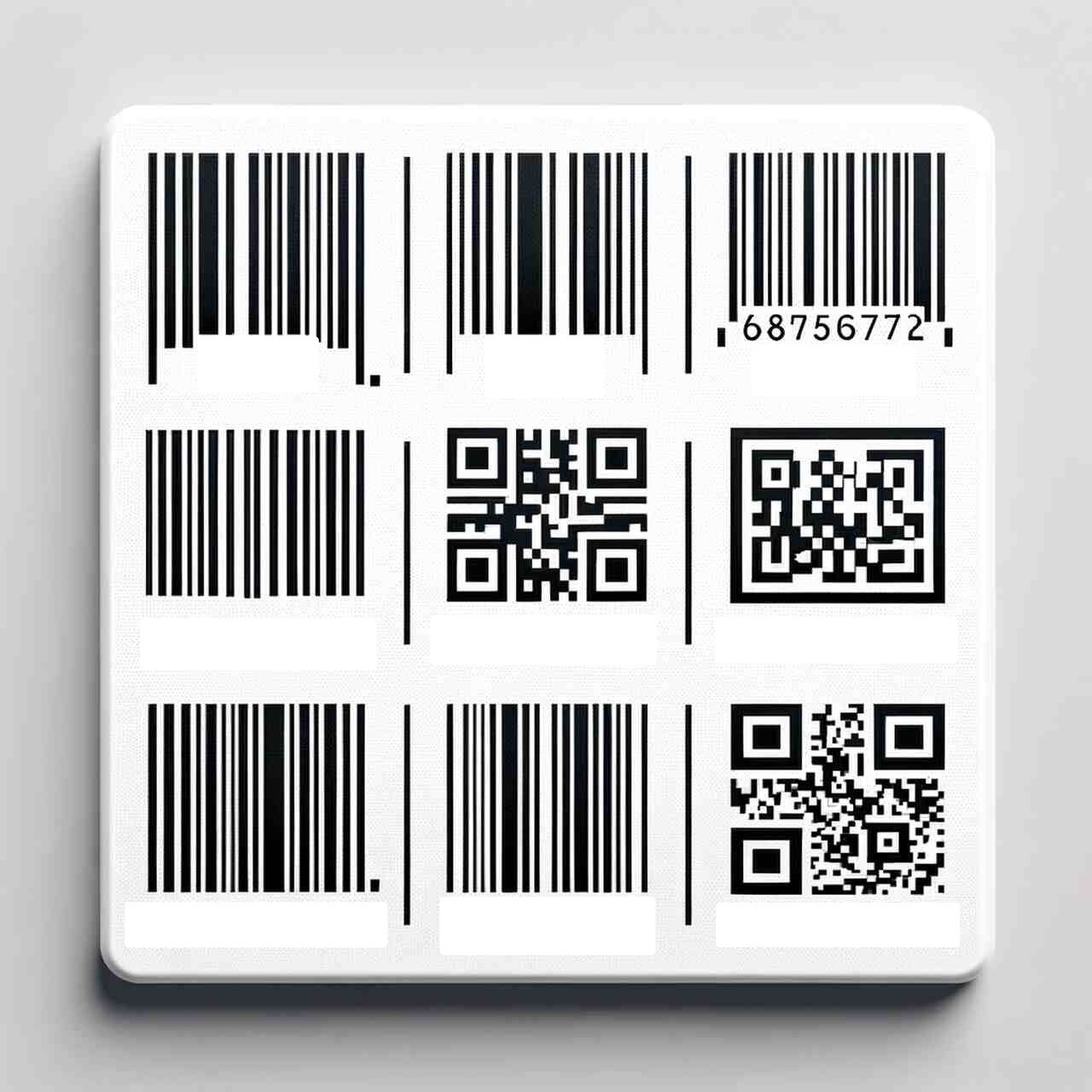
They encode information such as product numbers, serial numbers, and batch numbers, which can be quickly read by barcode scanners or cameras, allowing for efficient and accurate data collection.
This technology has revolutionized how businesses handle product identification and inventory management, providing a simple yet powerful tool for automation and accuracy.
What Are Barcode Types?
The following definitions and usage areas of barcode types provide an overview of the various barcode types and their specific applications across different industries.
| Barcode Type | Character Type | Best For | Printable Digits | Bar Structure | Areas |
|---|---|---|---|---|---|
| C32 | Alphanumeric | Pharmaceuticals in Italy | Variable | Bars and spaces | Pharmaceutical Industry |
| C39 | Alphanumeric | Inventory and Tracking | Variable | Bars and spaces | Industrial, Military, Healthcare |
| C39+ | Full ASCII | Complex Data Encoding | Variable | Bars and spaces | Various Industries |
| C39E | Full ASCII | Extended Character Support | Variable | Bars and spaces | Various Industries |
| C39E+ | Full ASCII | Extended Character Support | Variable | Bars and spaces | Various Industries |
| S25 | Numeric | Industrial Applications | Variable | Bars and spaces | Airline Ticketing, Photo Development |
| S25+ | Numeric | Increased Accuracy | Variable | Bars and spaces | Airline Ticketing, Photo Development |
| I25 | Numeric | Inventory Management | Variable | Bars and spaces | Logistics, Warehouses, Libraries |
| I25+ | Numeric | Increased Accuracy | Variable | Bars and spaces | Logistics, Warehouses, Libraries |
| ITF14 | Numeric | Outer Packaging | 14 Digits | Bars and spaces | Shipping and Receiving |
| C128 | Full ASCII | Complex Data Encoding | Variable | Bars and spaces | Shipping, Packaging |
| C128A | Uppercase, Control Characters | Alphanumeric Data | Variable | Bars and spaces | Logistics, Healthcare |
| C128B | Alphanumeric | General Use | Variable | Bars and spaces | Supply Chain Management |
| C128C | Numeric | Compact Numeric Data | Variable | Bars and spaces | Warehousing, Manufacturing |
| EAN2 | Numeric | Supplementary Data | 2 Digits | Bars and spaces | Publications |
| EAN5 | Numeric | Supplementary Data | 5 Digits | Bars and spaces | Publications |
| EAN8 | Numeric | Small Products | 8 Digits | Bars and spaces | Retail Items |
| EAN13 | Numeric | Retail Products | 13 Digits | Bars and spaces | Global Retail |
| UPCA | Numeric | Retail Packaging | 12 Digits | Bars and spaces | North American Retail |
| UPCE | Numeric | Small Packages | 6 Digits | Bars and spaces | Small Retail Products |
| MSI | Numeric | Inventory Control | Variable | Bars and spaces | Storage Containers, Shelves |
| MSI+ | Numeric | Increased Accuracy | Variable | Bars and spaces | Inventory Control |
| POSTNET | Numeric | Mail Sorting | Variable | Bars and spaces | United States Postal Service |
| PLANET | Numeric | Mail Tracking | Variable | Bars and spaces | United States Postal Service |
| TELEPENALPHA | Alphanumeric | Full ASCII Encoding | Variable | Bars and spaces | Libraries, Universities |
| TELEPENNUMERIC | Numeric | Numeric Data | Variable | Bars and spaces | Libraries, Universities |
| RMS4CC | Alphanumeric | Mail Sorting | Variable | Bars and spaces | Royal Mail |
| KIX | Alphanumeric | Mail Sorting | Variable | Bars and spaces | PostNL (Netherlands) |
| IMB | Alphanumeric | Mail Tracking | Variable | Bars and spaces | United States Postal Service |
| CODABAR | Alphanumeric | Simple Data Encoding | Variable | Bars and spaces | Libraries, Blood Banks |
| CODE11 | Numeric + Dash | Telecommunications | Variable | Bars and spaces | Telecommunications Equipment |
| PHARMA | Alphanumeric | Pharmaceuticals | Variable | Bars and spaces | Pharmaceutical Industry |
| PHARMA2T | Alphanumeric | Pharmaceuticals | Variable | Bars and spaces | Pharmaceutical Industry |
C32 (Code 32)
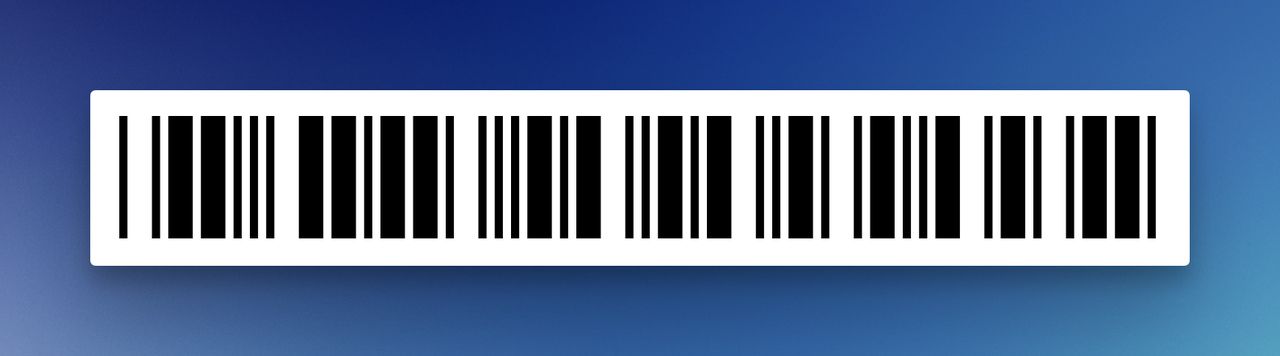
- Definition: A variant of Code 39 used primarily in the Italian pharmaceutical industry.
- Usage Areas: Identification of pharmaceutical products in Italy.
C39 (Code 39)
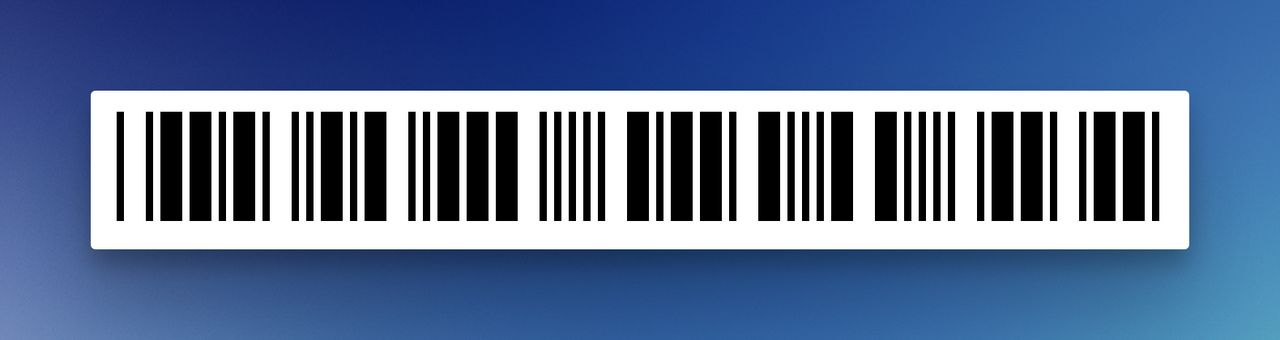
- Definition: A variable-length barcode symbology that encodes alphanumeric characters. Each character is represented by a combination of bars and spaces.
- Usage Areas: Widely used in industrial, military, and healthcare applications for inventory and tracking.
C39+ (Code 39 Full ASCII)
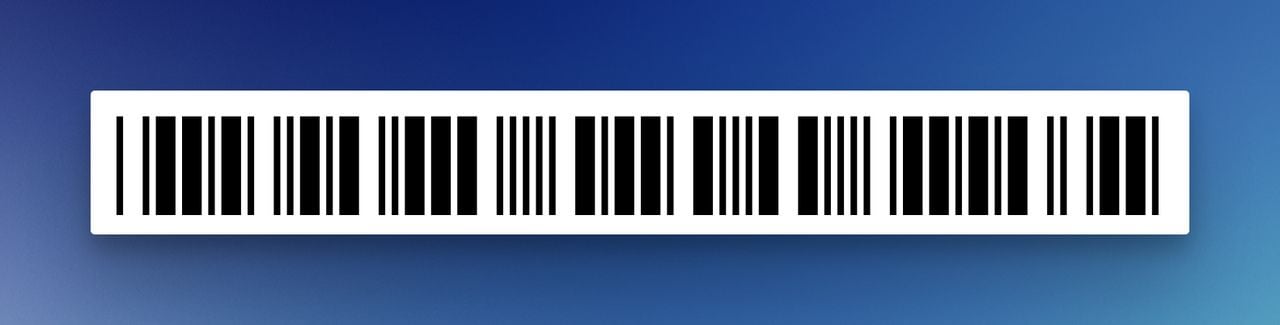
- Definition: An extended version of Code 39 that supports the full ASCII character set.
- Usage Areas: Applications requiring more complex data encoding, including punctuation and control characters.
C39E (Code 39 Extended)
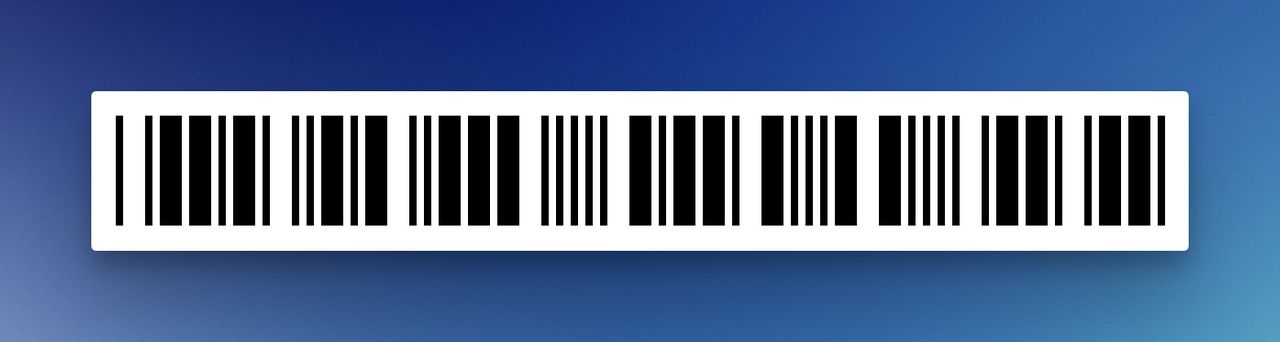
- Definition: Another name for Code 39 Full ASCII, supporting the full ASCII character set.
- Usage Areas: Similar to C39+, used where extended character support is needed.
C39E+ (Code 39 Extended Full ASCII)
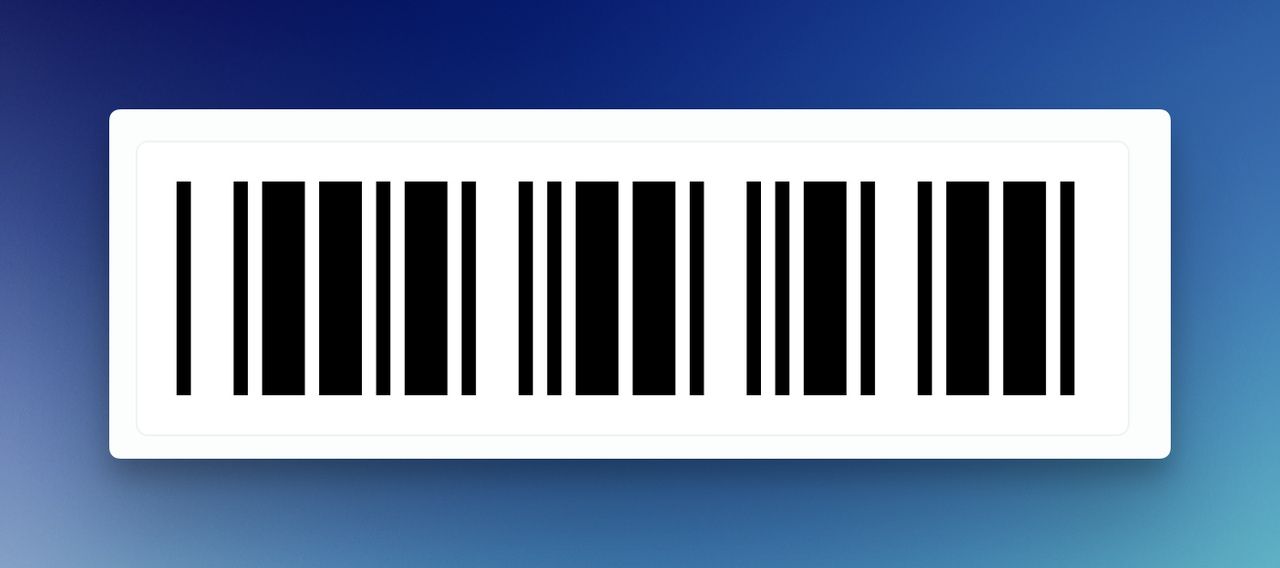
- Definition: A further extension of Code 39 that includes full ASCII support.
- Usage Areas: Similar to C39E, used in environments where a wide range of characters is necessary.
S25 (Standard 2 of 5)
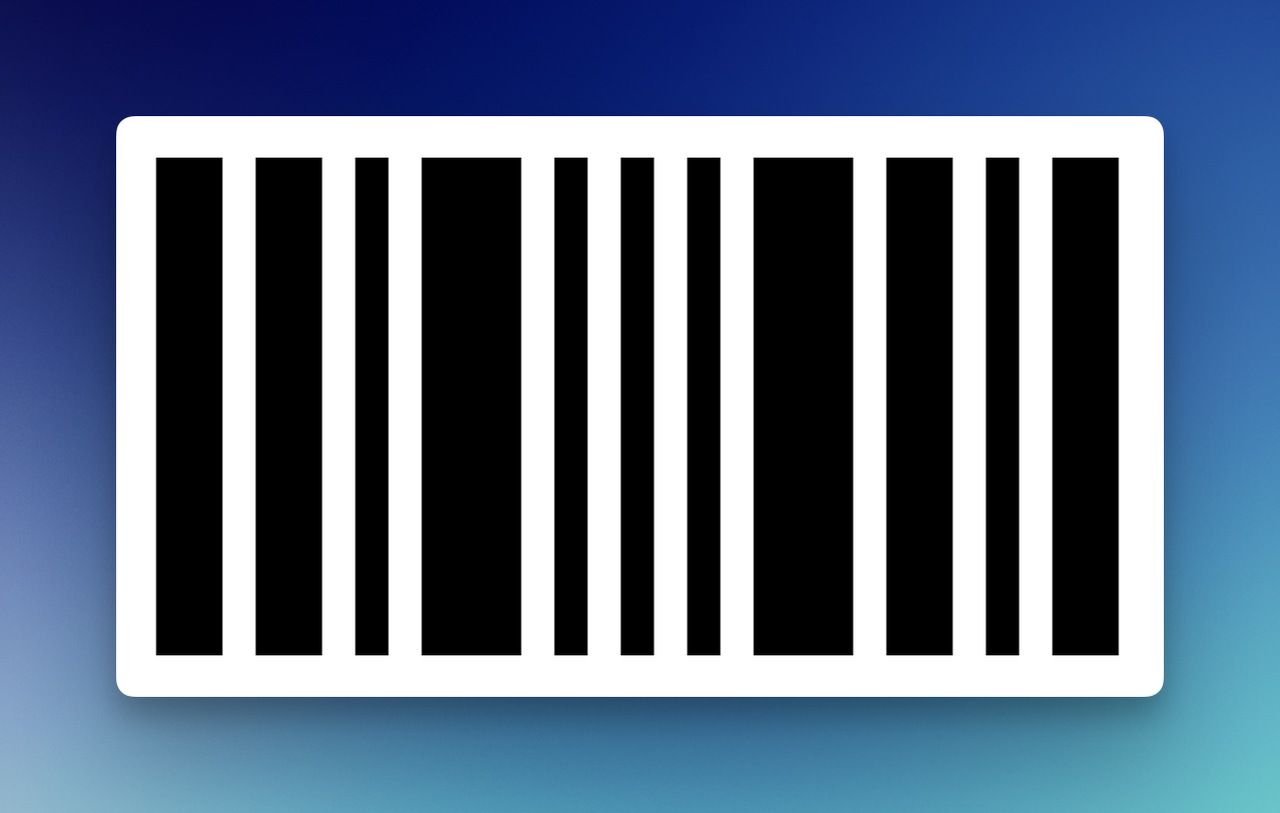
- Definition: A numeric-only barcode symbology used primarily in industrial applications.
- Usage Areas: Airline ticketing, photo development, and warehouse sorting.
S25+ (Standard 2 of 5 + Check Digit)
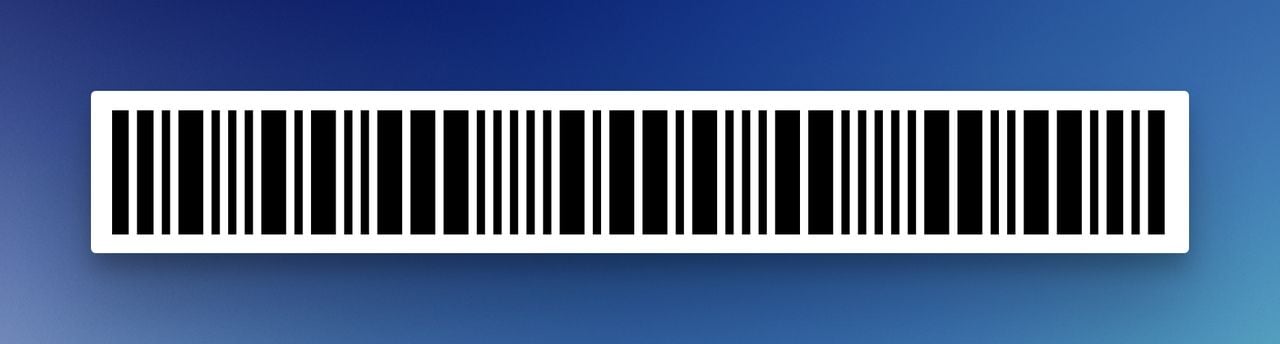
- Definition: A variation of Standard 2 of 5 with an added check digit for increased accuracy.
- Usage Areas: Applications requiring higher data integrity, similar to S25.
I25 (Interleaved 2 of 5)
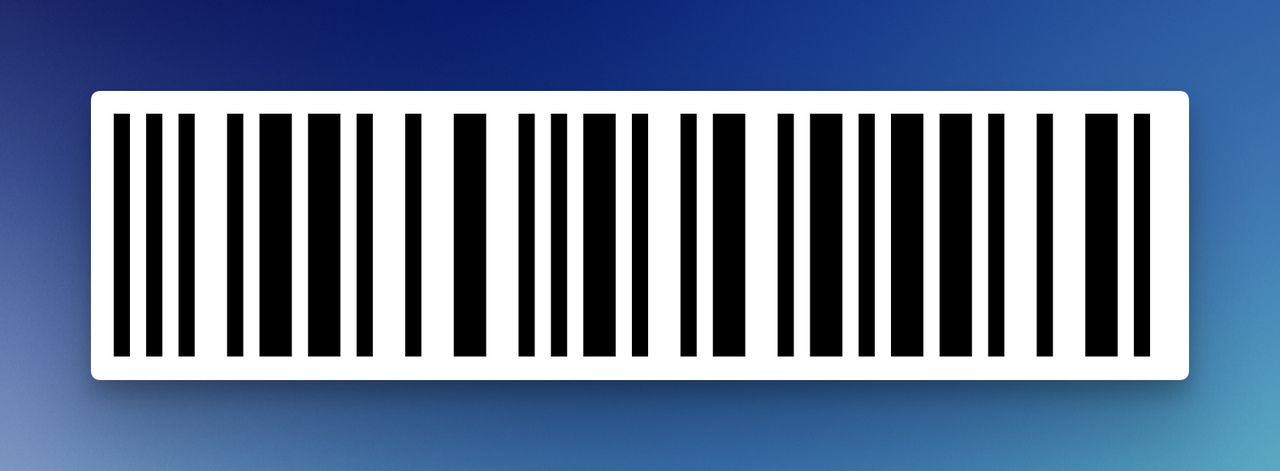
- Definition: A numeric barcode symbology where digits are encoded in pairs, making it more compact.
- Usage Areas: Logistics, warehouses, and libraries for shelf and inventory management.
I25+ (Interleaved 2 of 5 + Check Digit)
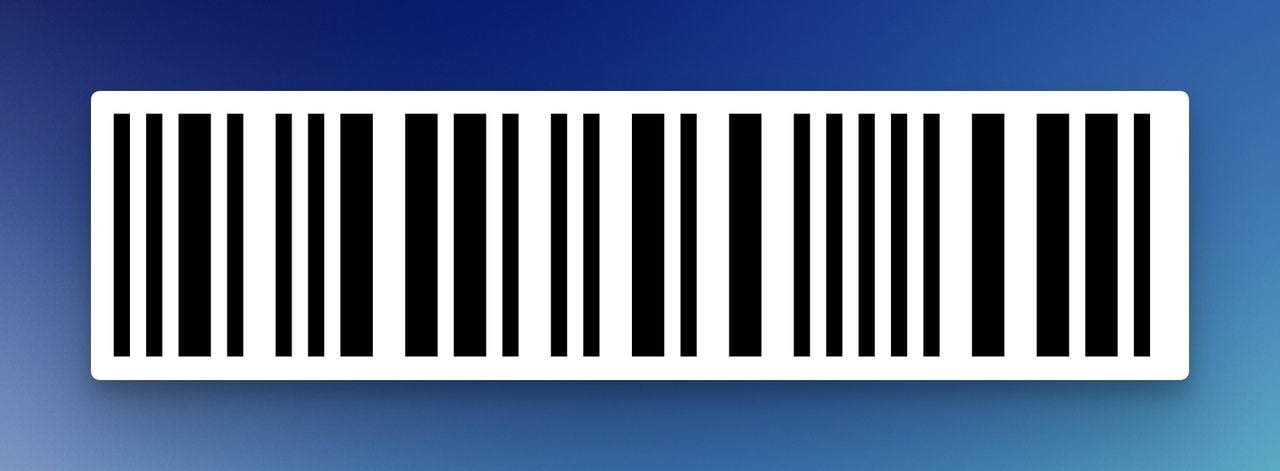
- Definition: An interleaved 2 of 5 barcode with an additional check digit.
- Usage Areas: Similar to I25 but used in environments requiring more reliable data validation.
ITF14
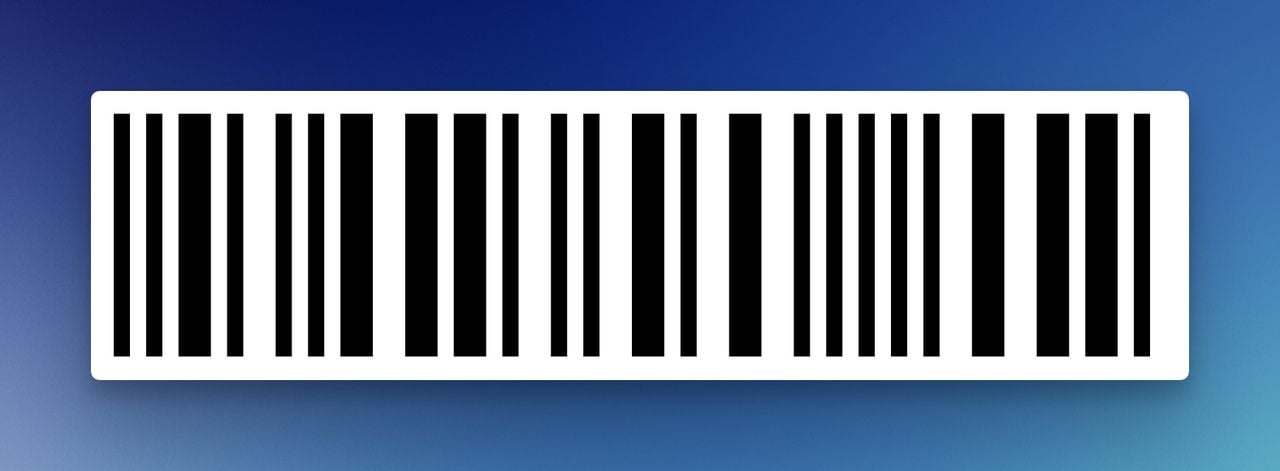
- Definition: A 14-digit barcode used to identify trade items, typically on outer packaging.
- Usage Areas: Shipping and receiving, particularly for cartons and pallets in logistics.
C128 (Code 128)
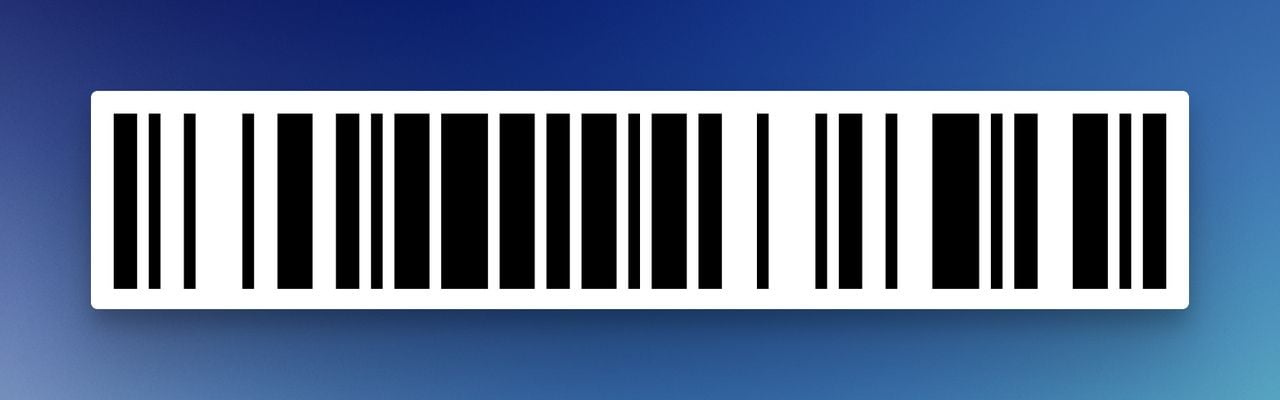
- Definition: A high-density linear barcode symbology that can encode the full ASCII character set.
- Usage Areas: Used in shipping and packaging industries for complex data encoding.
C128A, C128B, C128C (Code 128 Subsets)
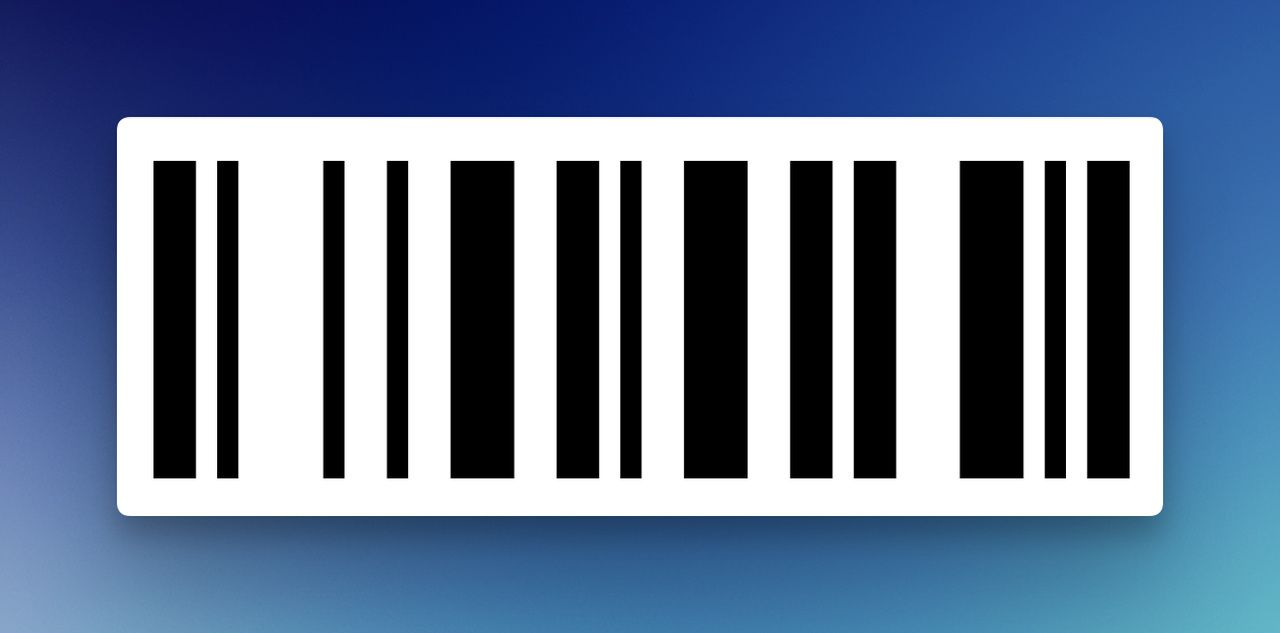
- Definition: Variants of Code 128; A encodes uppercase and control characters, B includes both cases and numerics, and C is optimized for numeric data.
- Usage Areas: Applications vary based on the subset used in logistics, healthcare, and supply chain management.
EAN2
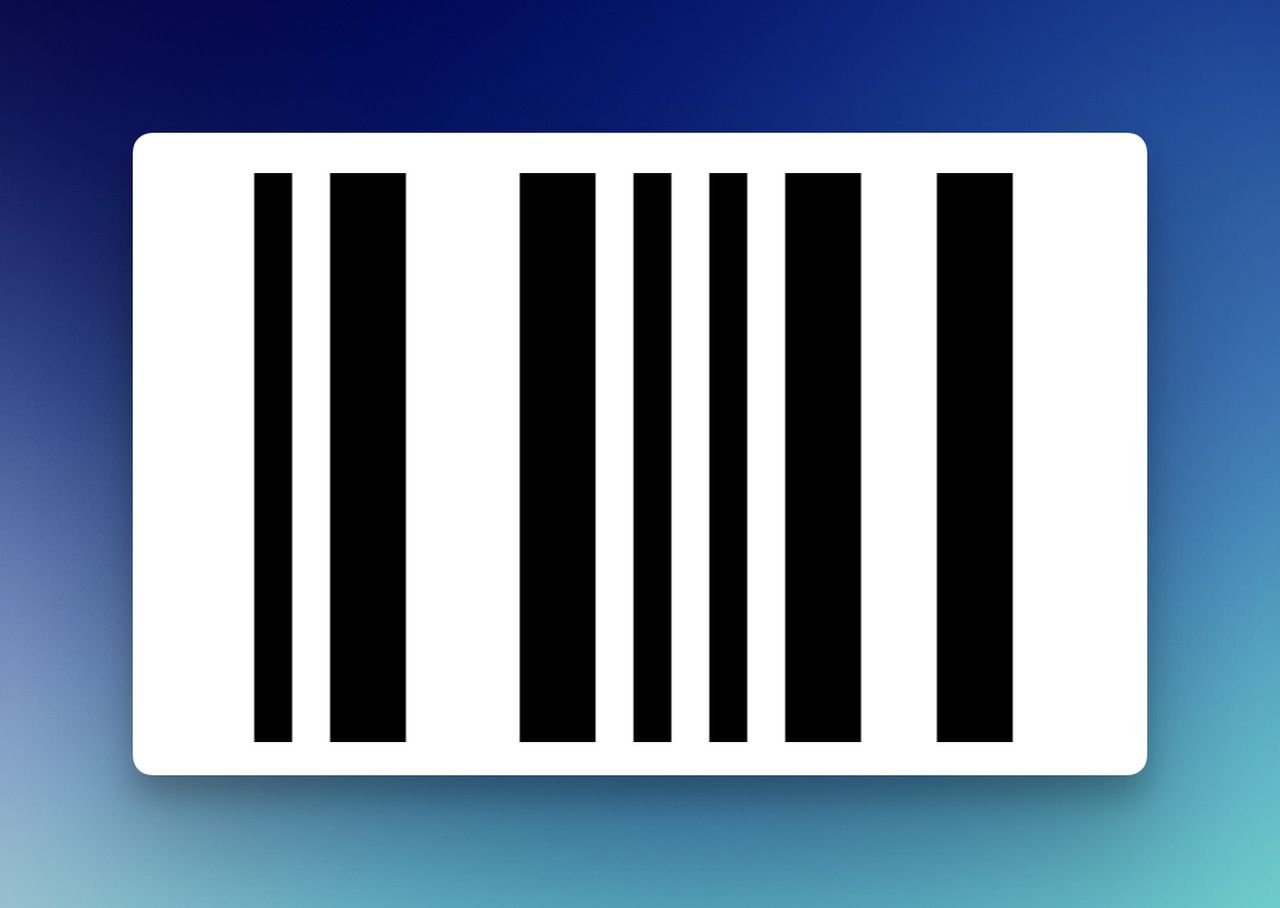
- Definition: A two-digit add-on barcode used with EAN-13 and UPC-A barcodes for publications.
- Usage Areas: Magazine and book publishing for supplementary data like issue numbers.
EAN5
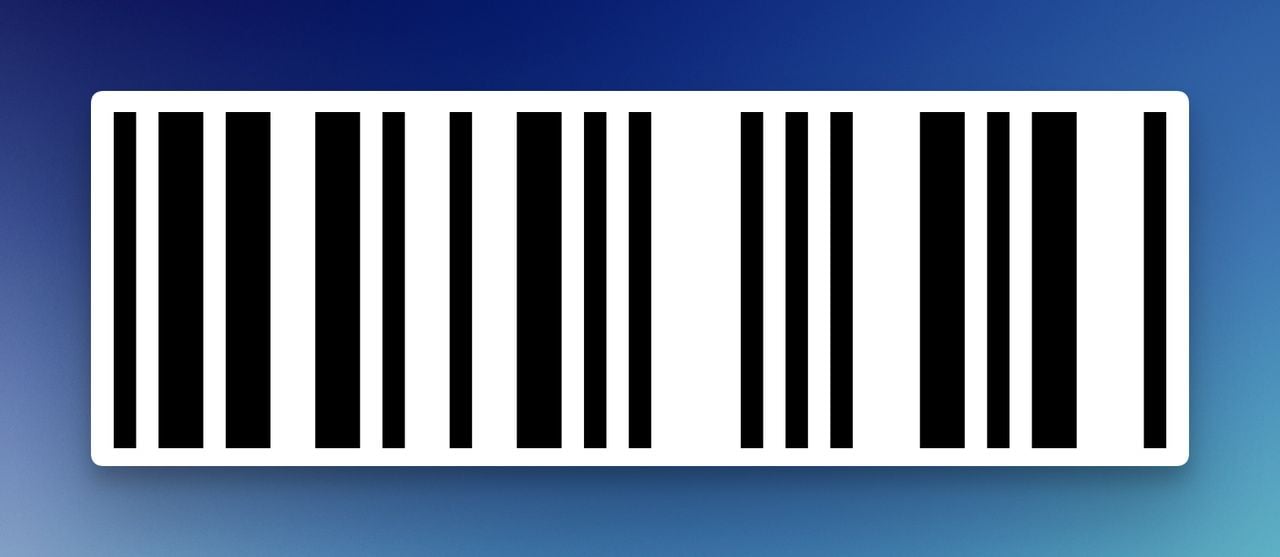
- Definition: A five-digit add-on barcode used with EAN-13 and UPC-A barcodes.
- Usage Areas: Books and periodicals to encode price or other supplementary information.
EAN8
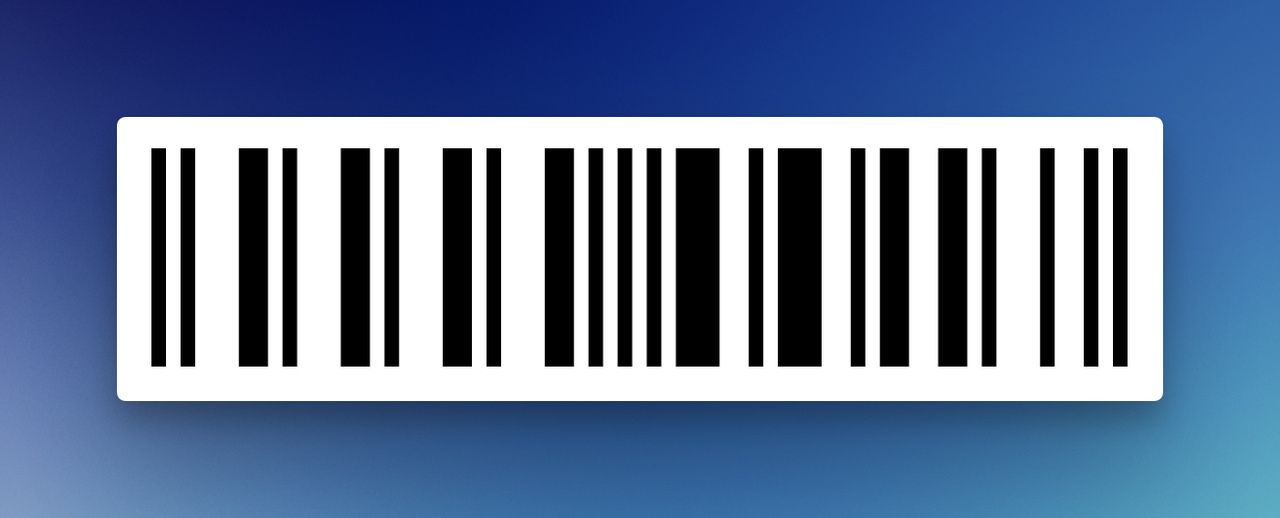
- Definition: A shorter version of the EAN-13 barcode encodes eight digits.
- Usage Areas: Small products where space is limited, such as small packages and retail items.
EAN13
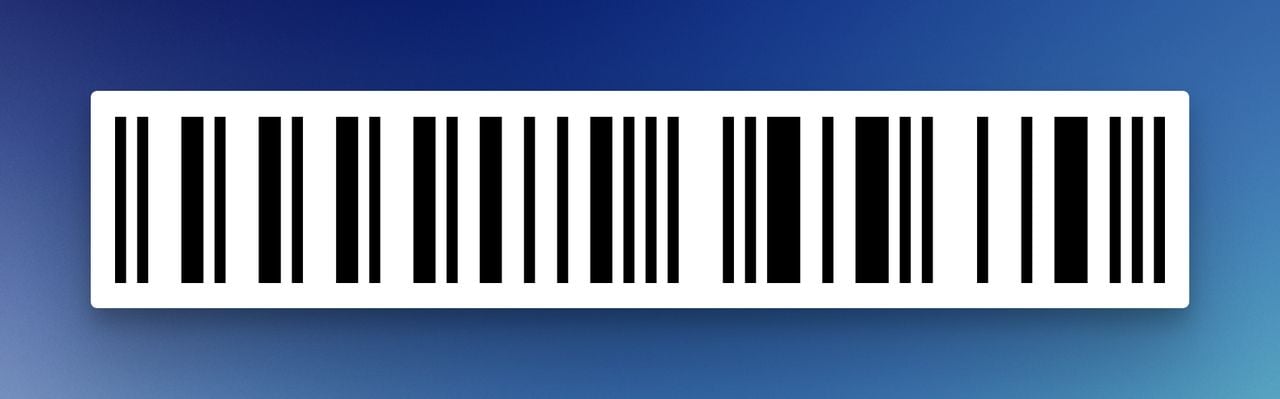
- Definition: A 13-digit barcode used globally for marking retail goods.
- Usage Areas: Worldwide retail products for universal identification and scanning at point-of-sale.
UPCA (Universal Product Code A)
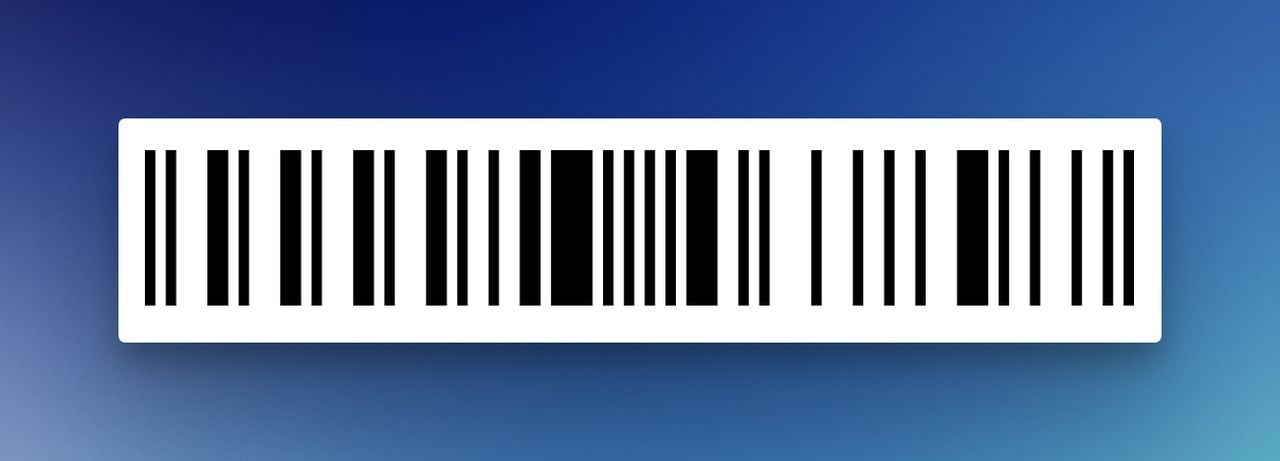
- Definition: A 12-digit barcode widely used in North America for retail packaging.
- Usage Areas: Identification and tracking of retail products in the US and Canada.
UPCE (Universal Product Code E)
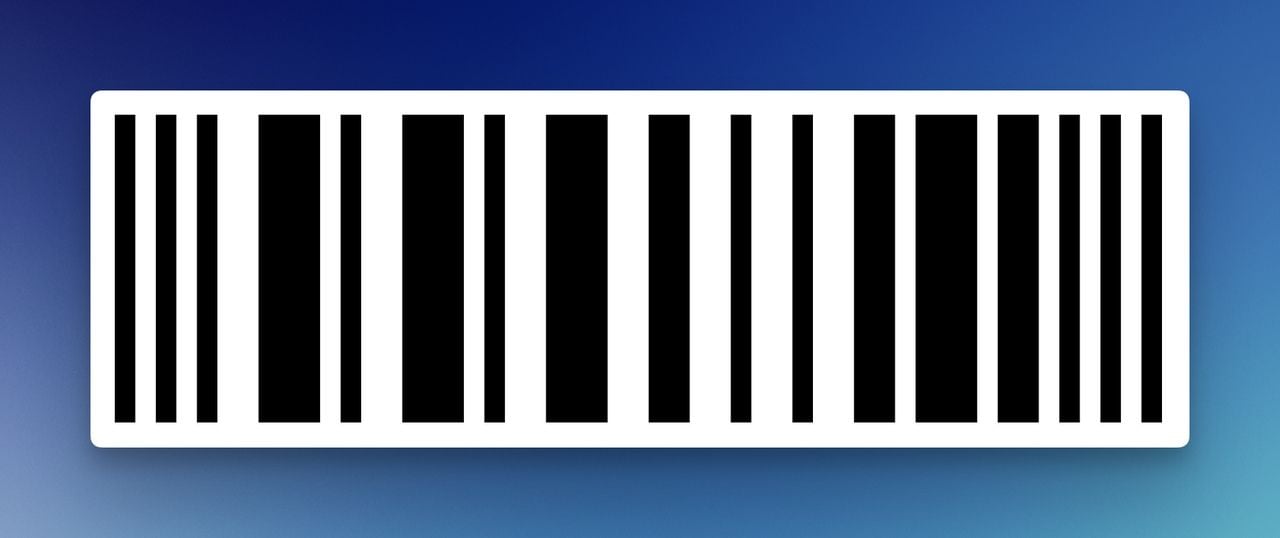
- Definition: A compressed version of the UPC-A barcode used for smaller packages.
- Usage Areas: Smaller retail products where space is a constraint.
MSI
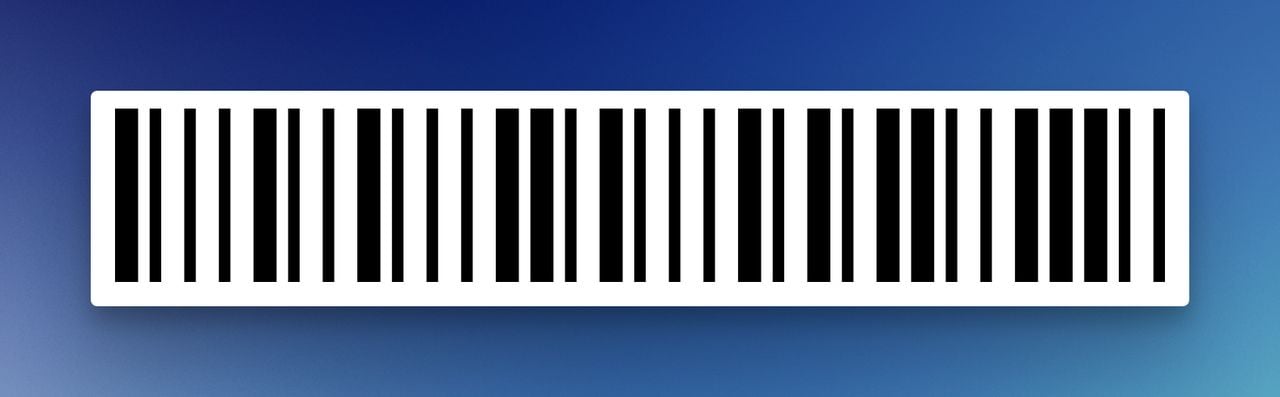
- Definition: A numeric barcode symbology developed by the MSI Data Corporation.
- Usage Areas: Inventory control, marking storage containers and shelves.
MSI+ (MSI with Mod 10 Check Digit)
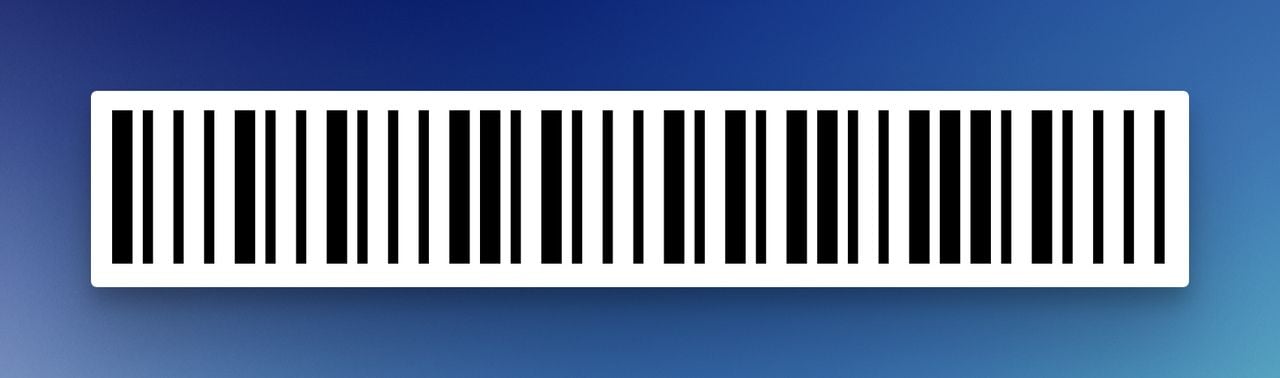
- Definition: An MSI barcode with an added Mod 10 check digit for error detection.
- Usage Areas: Similar to MSI but used where additional error checking is needed.
POSTNET
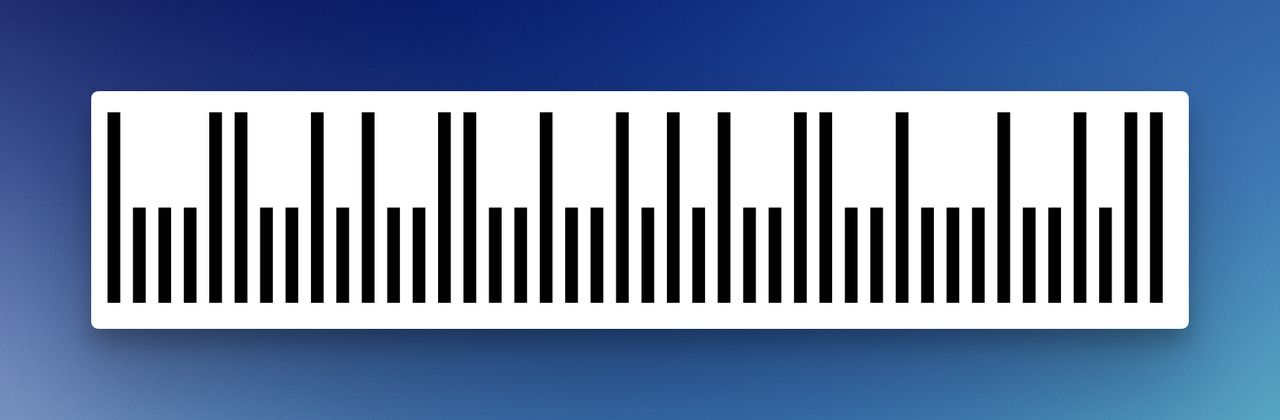
- Definition: A barcode used by the United States Postal Service to assist in mail sorting.
- Usage Areas: Encoding ZIP code information for efficient mail delivery.
PLANET
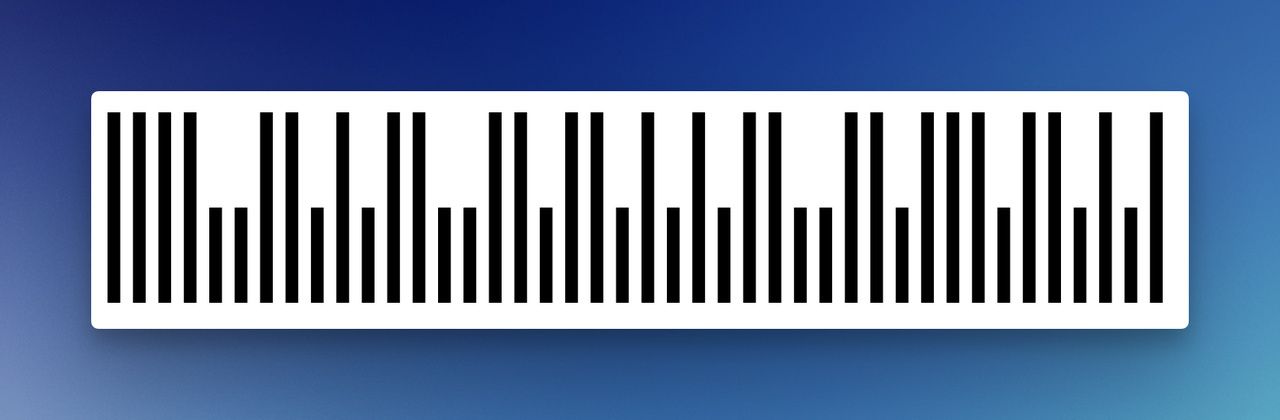
- Definition: A barcode used by the United States Postal Service for tracking mail.
- Usage Areas: Mail tracking and delivery confirmation.
TELEPENALPHA

- Definition: A barcode symbology that encodes full alphanumeric characters.
- Usage Areas: Libraries, universities, and other applications requiring full ASCII support.
TELEPENNUMERIC
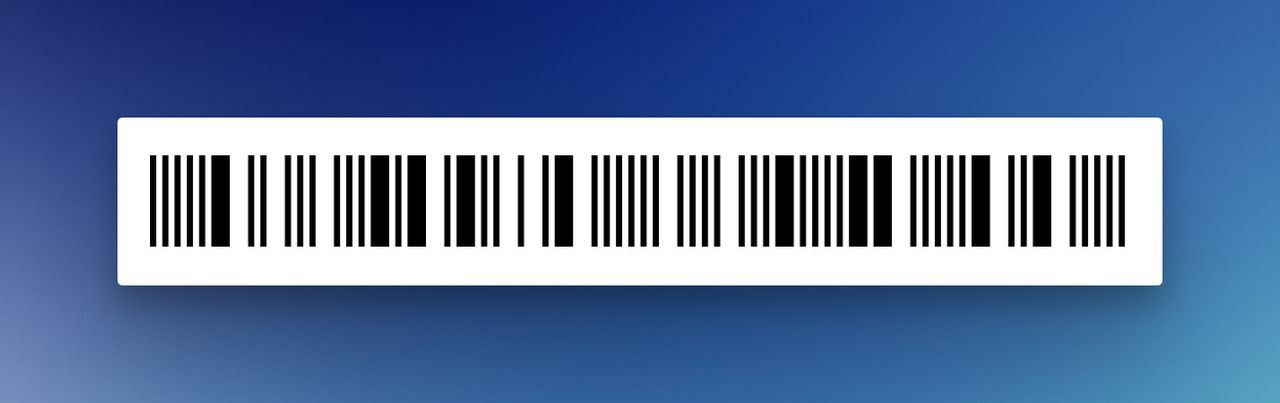
- Definition: A variant of Telepen that encodes numeric data only.
- Usage Areas: Libraries and academic institutions for simpler numeric data encoding.
RMS4CC (Royal Mail 4-State Customer Code)

- Definition: A barcode used by the Royal Mail for postal sorting.
- Usage Areas: Postal services in the UK for mail sorting and routing.
KIX

- Definition: A barcode used by the Dutch Post (PostNL) for mail sorting.
- Usage Areas: Postal services in the Netherlands.
IMB (Intelligent Mail Barcode)
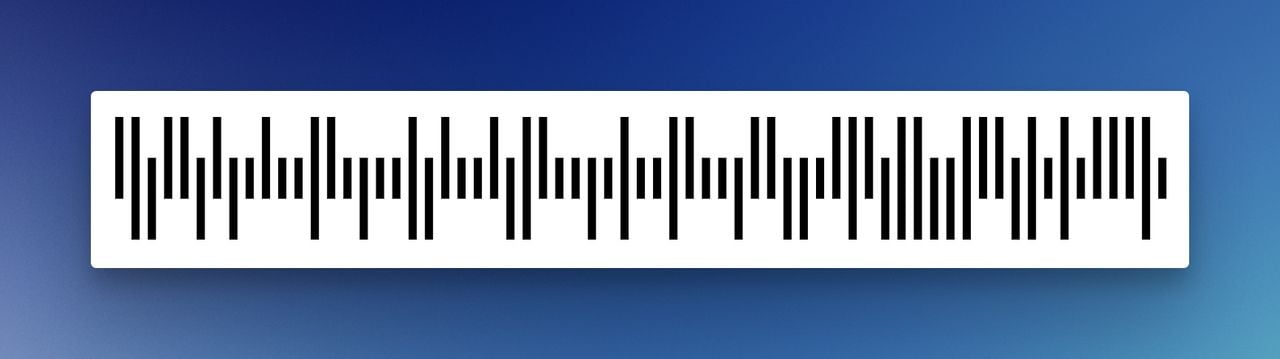
- Definition: A barcode used by the United States Postal Service that combines the functions of POSTNET and PLANET.
- Usage Areas: Enhanced tracking and sorting of mail by the USPS.
CODABAR
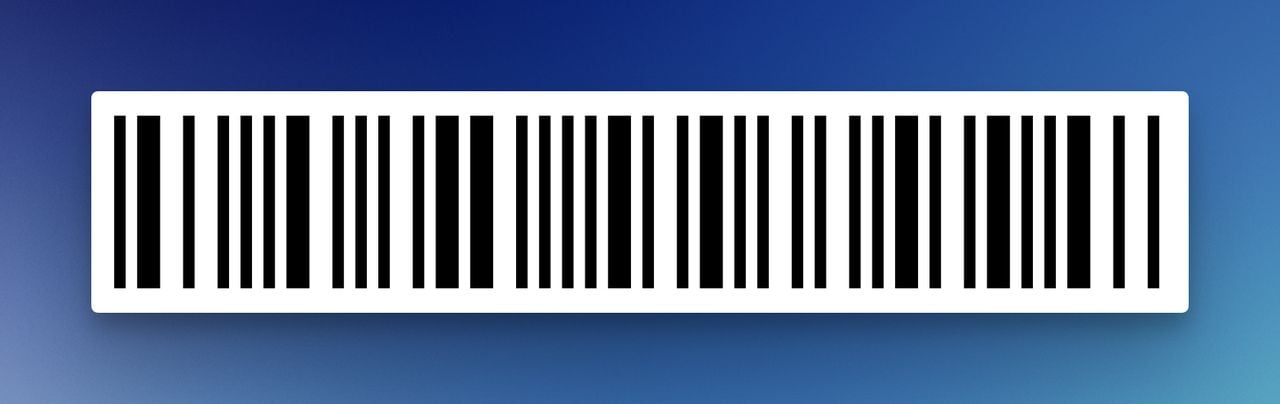
- Definition: A simple, numeric barcode symbology that also supports a limited set of symbols.
- Usage Areas: Libraries, blood banks, and airbills.
CODE11
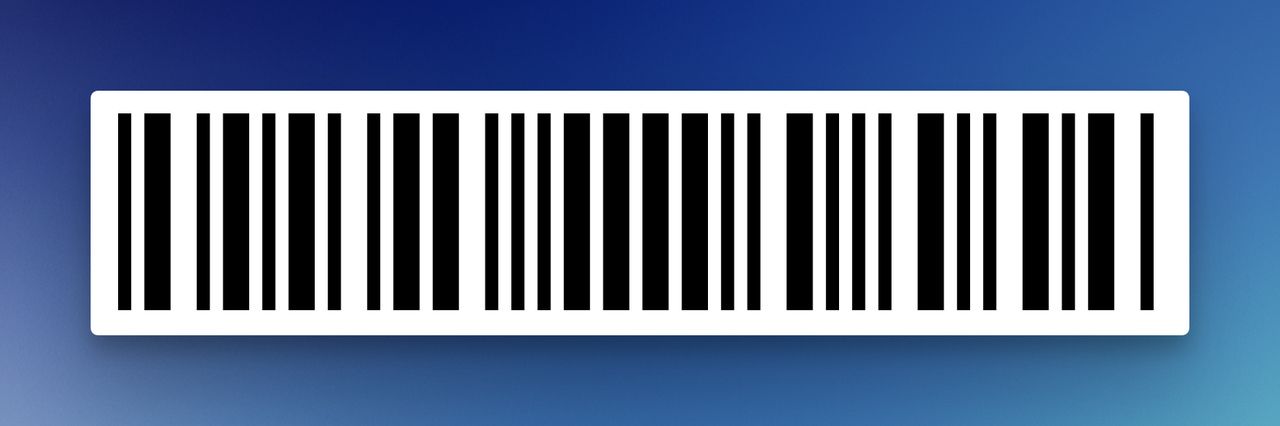
- Definition: A barcode symbology that encodes numeric data and the dash character.
- Usage Areas: Telecommunications and labeling of equipment and components.
PHARMA

- Definition: A barcode used specifically in the pharmaceutical industry.
- Usage Areas: Tracking and identification of pharmaceutical products.
PHARMA2T
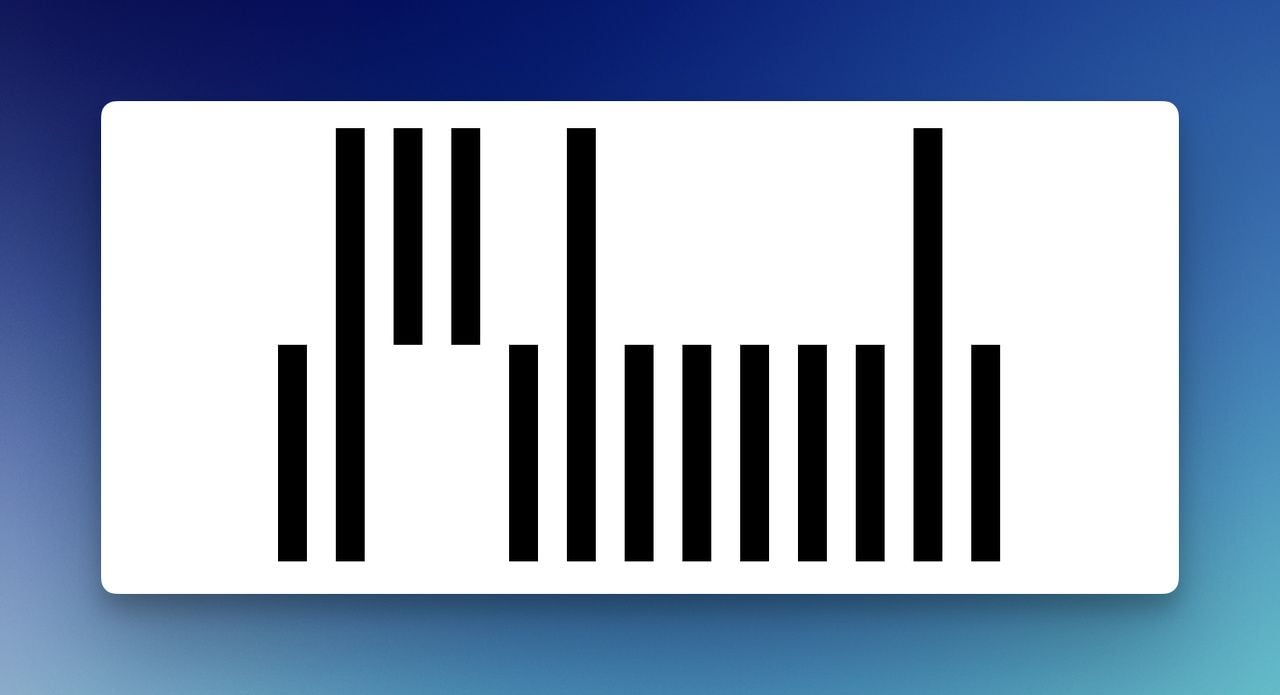
- Definition: An extended version of the Pharma barcode with enhanced tracking capabilities.
- Usage Areas: Similar to PHARMA, used for advanced pharmaceutical tracking and identification.
The Benefits of Barcode Types
1. Enhanced Data Accuracy
- Benefits: Barcodes significantly reduce human errors associated with manual data entry. By scanning barcodes, data is captured accurately and consistently, ensuring high data integrity.
- Related Barcode Types: All barcode types (e.g., Code 39, Code 128, UPC, EAN)
2. Improved Efficiency and Speed
- Benefits: Barcodes expedite the data collection process. Scanning a barcode is faster than manually entering data, leading to quicker checkouts, inventory counts, and data processing.
- Related Barcode Types: UPC, EAN, Code 128, Interleaved 2 of 5 (I25)
3. Cost-Effective
- Benefits: Implementing barcode systems is relatively inexpensive compared to other data entry technologies. Barcodes can be printed on labels or directly on products at a low cost.
- Related Barcode Types: Code 39, Codabar, MSI
4. Versatility and Flexibility
- Benefits: Barcodes can encode a variety of data types, including numeric, alphanumeric, and special characters. This flexibility allows them to be used in diverse applications.
- Related Barcode Types: Code 39, Code 128, TelepenAlpha
5. Enhanced Inventory Management
- Benefits: Barcodes facilitate real-time tracking of inventory levels, locations, and movements, improving inventory control and reducing stockouts and overstock situations.
- Related Barcode Types: Interleaved 2 of 5 (I25), ITF-14, Code 128
6. Streamlined Logistics and Supply Chain
- Benefits: Barcodes improve the efficiency of logistics and supply chain operations by enabling precise tracking and management of shipments, reducing errors, and enhancing overall productivity.
- Related Barcode Types: ITF-14, Code 128, EAN-13
7. Improved Customer Service
- Benefits: Faster checkouts, accurate pricing, and efficient product tracking enhance the overall customer experience and satisfaction.
- Related Barcode Types: UPC-A, UPC-E, EAN-8, EAN-13
8. Scalability
- Benefits: Barcodes can be easily scaled to accommodate growing business needs. Additional barcode systems can be added without significant changes to the existing setup.
- Related Barcode Types: All barcode types (e.g., Code 39, UPC, EAN)
9. Integration with Other Systems
- Benefits: Barcodes can be seamlessly integrated with other business systems such as ERP, WMS, and POS, facilitating smoother operations and data flow.
- Related Barcode Types: Code 128, Code 39, ITF-14
10. Security and Traceability
- Benefits: Barcodes enhance the security and traceability of products by providing a unique identifier for each item, which can be tracked throughout its lifecycle.
- Related Barcode Types: IMB (Intelligent Mail Barcode), ITF-14, Pharmaceutical barcodes (PHARMA, PHARMA2T)
11. Space Efficiency
- Benefits: Certain barcode types are designed to be compact, making them ideal for small products with limited labeling space.
- Related Barcode Types: UPC-E, EAN-8, Code 128C
12. Compliance with Industry Standards
- Benefits: Many barcode types adhere to specific industry standards, ensuring compatibility and acceptance across global supply chains and regulatory environments.
- Related Barcode Types: EAN-13, UPC-A, ITF-14
By understanding the benefits and related barcode types, businesses can choose the most appropriate barcode technology to meet their specific needs, leading to enhanced operational efficiency and accuracy.
How Can You Use Barcode Types?
Using barcode types effectively depends on the specific application and industry needs. Here’s a detailed look at how different barcode types can be utilized:
1. Retail and Point of Sale (POS)
- UPC-A and UPC-E: These barcodes are widely used in North American retail for product identification and pricing. They are scanned at the point of sale to retrieve product information and update inventory quickly.
- EAN-13 and EAN-8: Similar to UPC, these are used in international retail for the same purposes. They help in maintaining accurate pricing and inventory records.
You can consider ideas for increasing sales in retail.
2. Inventory and Warehouse Management
- Code 39 and Code 128: These barcodes are used for labeling and tracking inventory items, shelves, and storage bins. They provide detailed information such as item numbers, locations, and quantities.
- Interleaved 2 of 5 (I25): Often used in warehouse environments for labeling cartons and pallets. It is suitable for encoding large amounts of numeric data.
3. Shipping and Logistics
- ITF-14: Used for labeling shipping containers and pallets. It helps in tracking shipments and ensuring that the right products are delivered to the correct destinations.
- Code 128: Utilized for tracking packages and shipments throughout the supply chain. It can encode detailed information like serial numbers, batch numbers, and destination addresses.
4. Healthcare and Pharmaceuticals
- Code 39 and Code 128: Used for labeling medical supplies, patient records, and pharmaceuticals. They help in ensuring the accurate dispensing of medications and tracking of medical inventory.
- PHARMA and PHARMA2T: Specifically designed for the pharmaceutical industry to track and trace medications, ensuring compliance with regulatory standards.
5. Postal Services
- POSTNET and IMB (Intelligent Mail Barcode): Used by postal services to encode address information, automate mail sorting, and track mail deliveries.
- PLANET: Employed for mail tracking and delivery confirmation, providing detailed tracking information for postal items.
6. Library and Educational Institutions
- Codabar: Used for tracking books, periodicals, and other library materials. It simplifies the check-in/check-out process and inventory management.
- TelepenAlpha and TelepenNumeric: Utilized to encode alphanumeric and numeric data in library systems for efficient tracking and management of resources.
7. Manufacturing and Industrial Applications
- Standard 2 of 5 (S25): Used for tracking parts, products, and materials in manufacturing environments. It helps in maintaining accurate production records.
- MSI and MSI+: Commonly used for labeling and tracking components in manufacturing and assembly processes.
8. Document and File Management
- Code 39 and Code 128: Used for labeling documents and files in offices and records management systems. They help in quick retrieval and accurate tracking of documents.
9. Telecommunications
- Code 11: Used for labeling telecommunications equipment and components, facilitating inventory management and maintenance tracking.
10. Logistics and Supply Chain
- EAN-13 and ITF-14: Utilized to identify products and packaging in supply chain management, ensuring efficient tracking from manufacturer to end consumer.
11. Small Product Labeling
- EAN-8 and UPC-E: Ideal for small products where space is limited, such as cosmetics and electronics. They enable efficient product identification and tracking.
About this point, you can take a look at the impact fo the QR codes for product packaging.
12. Security and Traceability
- IMB and RMS4CC (Royal Mail 4-State Customer Code): Used for tracking and securing mail and packages, ensuring accurate delivery, and providing detailed tracking information.
Concerning this matter, you can also check if a QR code is safe or not.
13. Specialized Applications
- KIX: Used by the Dutch postal service for efficient mail sorting and tracking.
- PLANET: Utilized for tracking and managing mail deliveries in various postal systems.
Practical Steps for Using Barcodes
Here are some steps if you want to consider using barcodes for your business to enhance efficiency, accuracy, and overall productivity in their operations.
- Choose the Right Barcode Type: Select a barcode type that best suits your application needs, considering factors such as data capacity, space constraints, and industry standards.
- Generate Barcodes: Use QR Code Dynamic’s Barcode Generator to create the appropriate barcodes.
- Print Barcodes: Print barcodes using a high-quality printer to ensure readability. Barcodes can be printed on labels, tags, or directly on products and packaging.
- Apply Barcodes: Affix barcodes to products, packages, shelves, documents, or other items as required. Ensure barcodes are placed in accessible and scannable locations.
- Scan and Integrate: Use barcode scanners or mobile devices with barcode scanning capabilities to read the barcodes. Integrate the scanning system with your inventory, POS, or tracking software.
- Maintain Barcodes: Regularly inspect barcodes for damage or wear and replace them as necessary to ensure continued readability and accuracy.
How to Choose the Right Barcode Type for Your Business
- Determine Your Data Requirements: Identify the type and amount of data you need to encode (e.g., numeric, alphanumeric). Choose barcodes like Code 39 or Code 128 for alphanumeric data and UPC or EAN for numeric data.
- Consider the Space Available: Assess the physical space available on your products or packaging for barcode placement. Use compact barcodes like UPC-E or EAN-8 for small spaces.
- Industry Standards and Regulations: Check if your industry has specific barcode standards (e.g., ITF-14 for logistics, PHARMA for pharmaceuticals). Ensure compliance with industry regulations to avoid compatibility issues.
- Scanning Environment: Consider the environment where barcodes will be scanned (e.g., retail, warehouse, outdoor). Choose durable barcodes like Code 128 for harsh environments or POSTNET for postal services.
- Printing Capabilities: Evaluate your printing capabilities and the quality of barcode printing required. Ensure your printer can produce high-resolution barcodes, especially for detailed types like Code 128.
- Future Scalability: Anticipate future needs for scalability in data encoding and tracking. Opt for versatile barcodes like Code 128 or Code 39 that can grow with your business needs.
- Ease of Use and Implementation: Consider the ease of generating and integrating barcodes into your existing systems. Choose user-friendly barcode types that can be easily implemented and maintained.
- Cost Considerations: Assess the cost of implementing and maintaining different barcode systems. Balance cost-effectiveness with functionality, opting for standard types like Code 39 for general use.
By evaluating these factors, you can select the barcode type that best fits your business requirements, ensuring efficient and accurate data management.
To Conclude
Different barcode types are crucial for optimizing your business operations.
Selecting the right barcode for your needs can improve data accuracy, enhance inventory management, and streamline your workflow.
Make the smart choice today and leverage the power of barcodes to boost your operational efficiency.
Frequently Asked Questions
How does the EAN-13 barcode differ from the EAN-8 barcode?
The EAN-13 barcode encodes 13 digits and is used for global retail products, while the EAN-8 barcode encodes 8 digits and is designed for smaller products with limited space for labeling.
Is Code 39 suitable for encoding full ASCII characters?
Yes, Code 39 Extended (also known as Code 39+) can encode the full ASCII character set, making it suitable for applications requiring complex data encoding beyond just alphanumeric characters.
How do PHARMA and PHARMA2T barcodes differ?
Both PHARMA and PHARMA2T barcodes are used in the pharmaceutical industry to track medications. PHARMA2T includes an additional layer of data for enhanced tracking and traceability.
Visit our other blogs:

I work as a Growth Marketer at Popupsmart, using my 3+ years of SaaS experience to create clear, useful marketing content that helps brands grow, reach the right audiences, and improve their results.